SITE DESCRIPTION
Treated area | 98 m² |
Thermal technology | In-Situ Thermal Treatment (ISTT) |
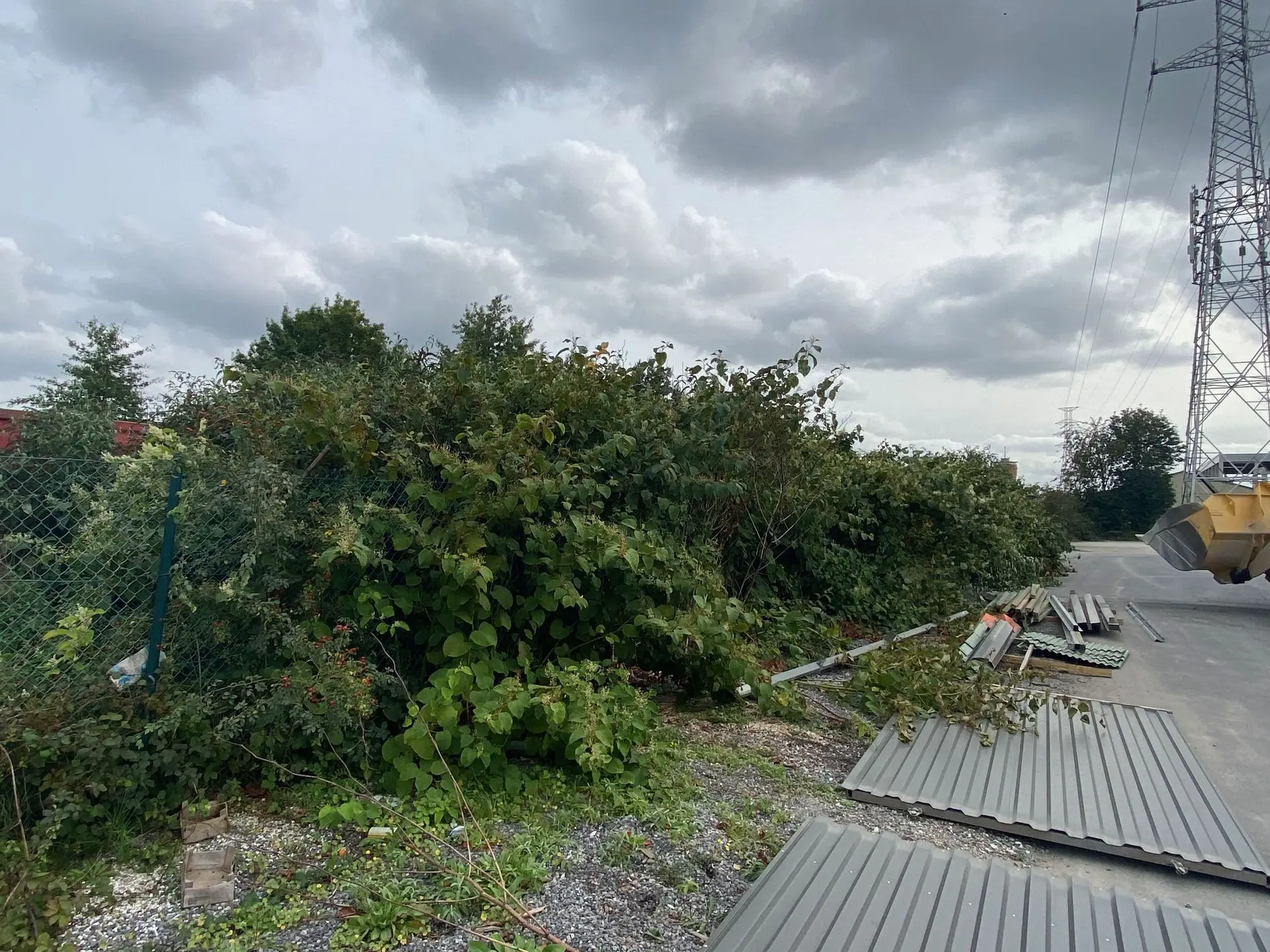
Main contaminant | Japanese Knotweed (Fallopia japonica) |
Site challenges | Industrial port environment with numerous underground utility lines requiring a hybrid treatment approach and validation of thermal compatibility with electricity and telecommunication networks. |
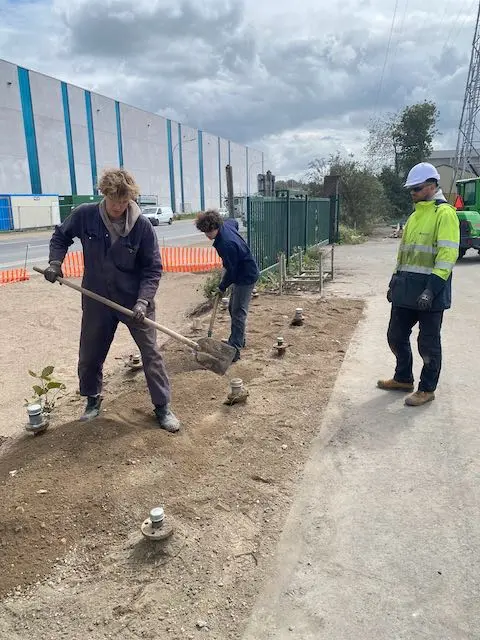
Heating configuration | Single treatment batch covering 98 m² using 66 Hot Screws™. Part of the infestation was treated in situ while another section was excavated and thermally treated under insulated wrapping due to underground utilities. |
Treatment Duration | May–June 2025 |
RESULTS
✅ Treatment completed within 14 days, meeting the project schedule before subsequent site activities. |
✅
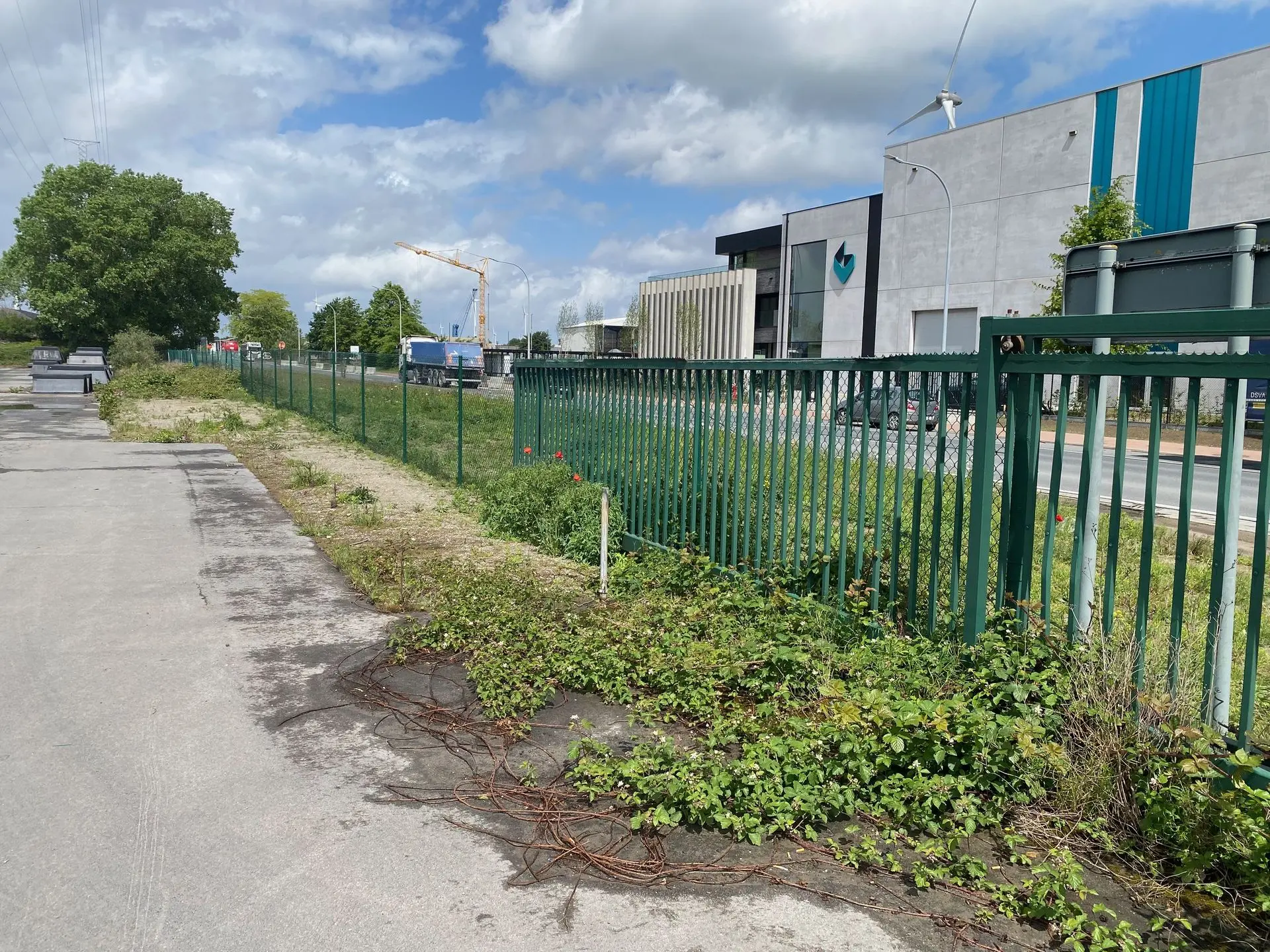
Long-term monitoring initiated by North Sea Port to confirm complete eradication over a two-year period. |
✅ Chemical-free and sustainable solution for invasive plant management in industrial environments. |