Home › Contaminants › Pesticides
Pesticides
Organochlorine pesticides (OCPs) are persistent synthetic chemicals historically used to control insects, weeds and disease vectors. They include compounds such as DDT, DDE, DDD, lindane, aldrin, dieldrin, endrin, chlordane, heptachlor, endosulfan, mirex and hexachlorobenzene.
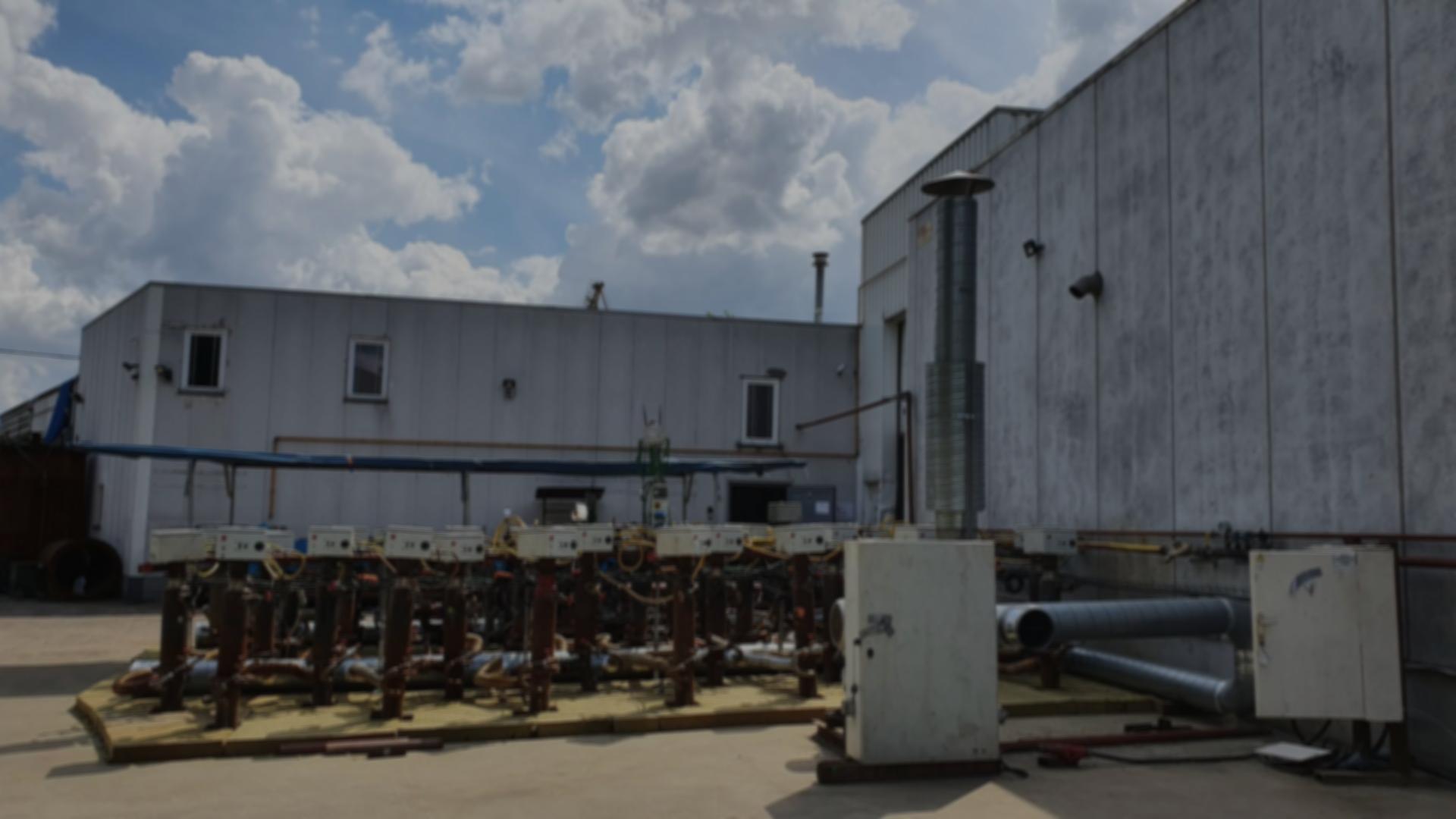
Where pesticide contamination occurs
They are commonly found on:
- Former pesticide manufacturing plants
- Agricultural storage and distribution facilities
- Pesticide formulation and blending sites
- Chemical production facilities
- Former spraying and treatment areas
- Waste disposal and landfill sites
- Contaminated sediments and dredged materials
- Industrial brownfields with historical pesticide use
- Military facilities and depots
- Agricultural land impacted by historical pesticide applications

Why pesticides are a concern
OCPs are resistant to natural degradation, poorly soluble in water and strongly adsorbed to soil and organic matter. They can bioaccumulate in living organisms and move through the food chain.
Potential impacts include:
- Neurological effects
- Immune system effects
- Reproductive and developmental risks
- Potential carcinogenic effects
- Long-term soil and groundwater contamination
Choice of remediation technology
Thermal desorption physically removes pesticides from the soil matrix and significantly reduces long-term liabilities.
Thermal Desorption with Haemers Technologies
OCPs are stable because of strong carbon-chlorine bonds. Natural degradation is slow, but thermal treatment provides enough energy to volatilize, degrade or destroy these compounds.
Target temperature at the cold point is set between 150°C and 400°C.
Homogeneous heating
The heat is transferred directly into the soil, ensuring homogeneous treatment and precise temperature control.
From heating to vapour treatment
Smart Burners™ circulate hot gases through a network of steel heating pipes installed within the contaminated soil.
As temperature increases, OCP volatility rises significantly, allowing contaminants to desorb from the soil matrix.
The treatment area is maintained under controlled negative pressure.
The selected treatment train is adapted to the site-specific contaminants.
Vacuum extraction and vapour treatment
This ensures that pesticide vapours are continuously extracted while preventing fugitive emissions and protecting workers and nearby communities.
Extracted vapours are safely treated using technologies such as:
- Condensation
- Activated carbon adsorption
Persistence
Because many organochlorine pesticides are highly persistent, contamination can remain in soils and sediments for decades after their use has ceased.
Key benefits of thermal desorption
Permanent Source Removal
Pesticides are removed from soil rather than contained or transferred.
High Removal Efficiency
Thermal treatment can reduce OCP concentrations by more than 99.6% under optimized conditions.
Fast Remediation
Treatment is completed in days or weeks instead of years of natural degradation.
Reduced Long-Term Liability
Removes persistent contamination and limits future migration risks.
Suitable for Complex Industrial Sites
Applicable to pesticide production sites, storage areas, sediments and mixed-contaminant brownfields.
Pesticide references
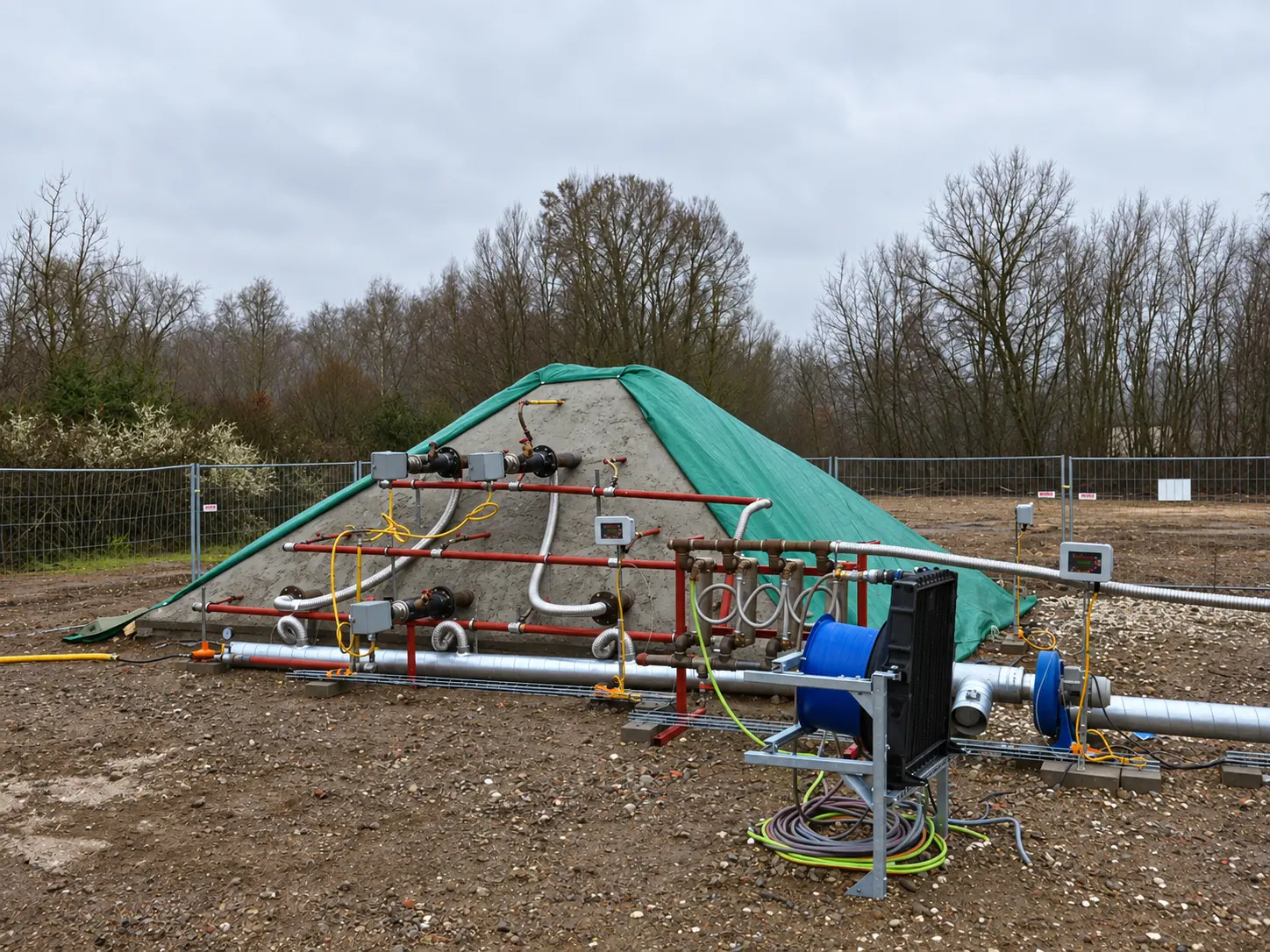
Sites impacted by pesticides
See how we have treated pesticides on real projects, or send us your site details for a tailored proposal.
Contact
Site assessment, preliminary estimate and licensing.