Home › Contaminants › Chlorinated Solvents
Chlorinated Solvents
Chlorinated solvents are industrial chemicals widely used for degreasing, metal cleaning, dry cleaning and chemical manufacturing. Due to decades of industrial use, they are among the most common groundwater and soil contaminants worldwide.
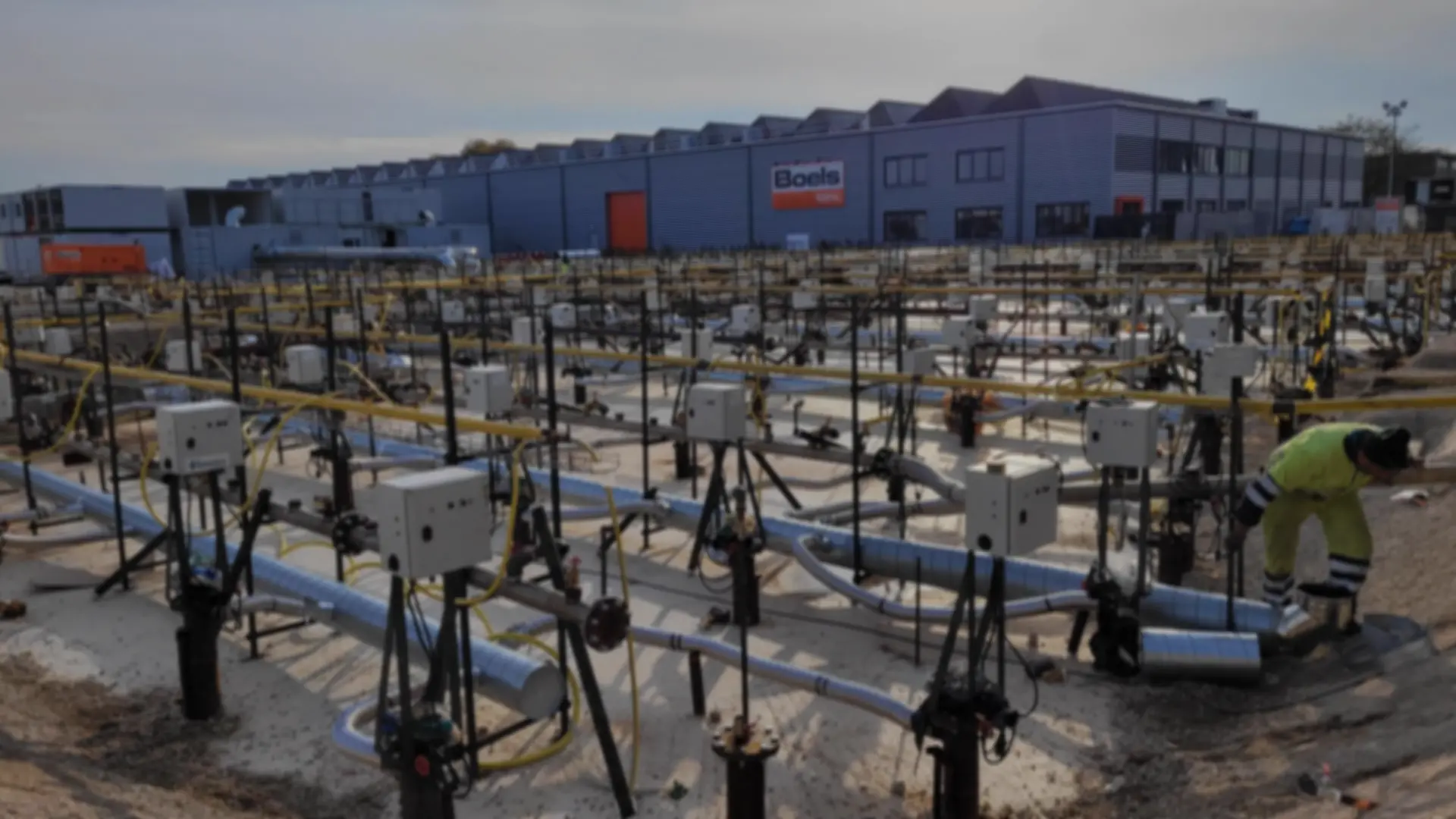
Where chlorinated solvent contamination occurs
Chlorinated solvent contamination is typically associated with:
- Metal degreasing facilities
- Aerospace and automotive industries
- Dry cleaning operations
- Chemical manufacturing plants
- Electronics production facilities
- Military installations
- Former industrial brownfields
- Hazardous waste disposal sites




Common chlorinated solvents
Many chlorinated solvents are classified as volatile organic compounds (VOCs) and can migrate through soil, groundwater and soil gas.
Perchloroethylene
Trichloroethylene
Dichloroethylene
Vinyl Chloride
Trichloroethane
Dichloroethane
Carbon Tetrachloride
Chloroform
Why chlorinated solvents are a concern
Unlike hydrocarbons, chlorinated solvents are often denser than water and can migrate deep below the groundwater table.
Potential impacts include:
- Groundwater contamination
- Vapour intrusion into buildings
- Carcinogenic and toxic effects
- Indoor air quality concerns
- Long-term environmental liabilities
Once released, chlorinated solvents can persist in the subsurface for decades and act as continuous sources of groundwater contamination.
Choice of remediation technology
Chlorinated solvent contamination is notoriously difficult to remediate because contaminants often migrate deep into the subsurface and become trapped in low-permeability soils.
For source-zone remediation, thermal treatment is widely recognized as one of the most effective technologies because it physically removes contaminants from both soil and groundwater.
Thermal Desorption with Haemers Technologies
Chlorinated solvents are particularly challenging contaminants because they often migrate below the groundwater table and become trapped in low-permeability soils.
Haemers Technologies combines thermal desorption, vacuum extraction and, when required, multi-phase extraction (MPE) to efficiently remove chlorinated solvents from both soil and groundwater source zones.
Targeted temperature is set from 70 to 99°C.
Typical applications
This makes thermal remediation particularly effective for:
- PCE source zones
- TCE plumes
- DNAPL accumulations
- Saturated clays and silts
- Deep groundwater contamination
From heating to vapour treatment
Smart Burners™ gradually heat the contaminated soil and groundwater through thermal conduction.
As temperature rises, the vapour pressure of chlorinated solvents increases dramatically.
Unlike many remediation technologies, thermal treatment remains highly effective below the groundwater table.
As contaminants become mobile and volatilize, they are continuously recovered through vacuum extraction wells.
Extracted vapours are treated by condensation, activated carbon and acid gas treatment, with continuous emissions monitoring.
Treatment below the groundwater table
The heat propagates uniformly through both saturated and unsaturated zones, reaching contaminants trapped deep below the water table.
Compounds such as PCE, TCE and DCE become significantly more volatile, allowing them to desorb from soil particles and transfer from groundwater into the vapour phase.
This thermal enhancement accelerates contaminant recovery even in clays, silts and other low-permeability formations where conventional technologies often struggle.
Heating reduces contaminant viscosity, increases diffusion rates and promotes the removal of dense non-aqueous phase liquids (DNAPLs), which are often responsible for long-term groundwater contamination.
Multi-phase extraction (MPE)
For highly saturated sites, Haemers can integrate Multi-Phase Extraction (MPE) systems to simultaneously recover:
- Soil vapours
- Contaminated groundwater
- Free-phase contaminants (DNAPL)
- Dissolved contaminants
The combination of thermal treatment and MPE significantly accelerates mass removal rates compared to conventional groundwater remediation approaches.
Key benefits of thermal treatment
Permanent Source Removal
Chlorinated solvents are removed from soil and groundwater source zones rather than contained.
High Removal Efficiency
Thermal treatment routinely achieves remediation targets for PCE, TCE, DCE, vinyl chloride and related compounds.
Fast Remediation
Projects are completed within months rather than years or decades of conventional groundwater treatment.
Groundwater Protection
Eliminates the source of contamination and significantly reduces plume expansion.
Reduced Long-Term Liability
Removes persistent contaminants and minimizes future environmental risks.
Chlorinated solvent references
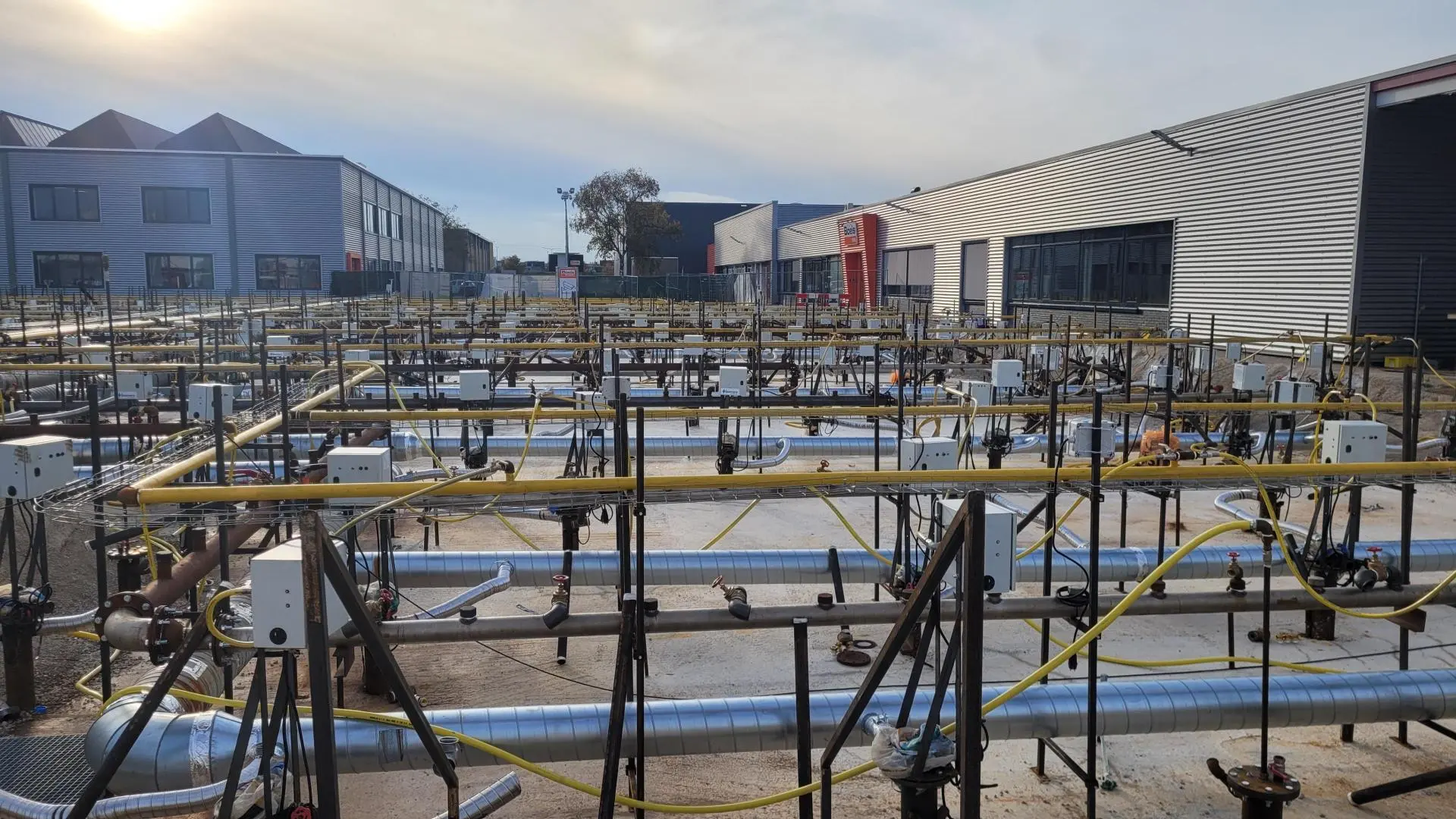
Large-Scale Chlorinated VOC Remediation by ISTT
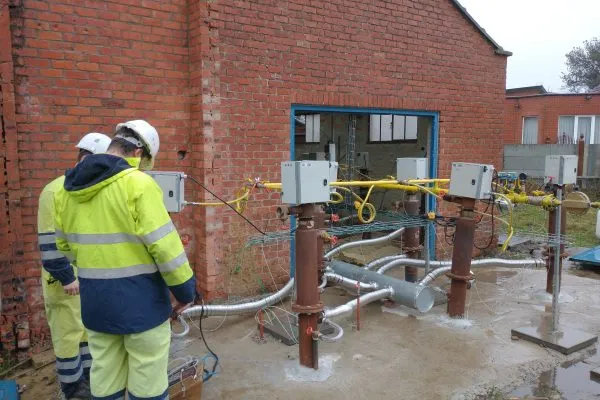
In-Situ Thermal Treatment of Trichloroethylene (TCE) Contamination in Bonheiden
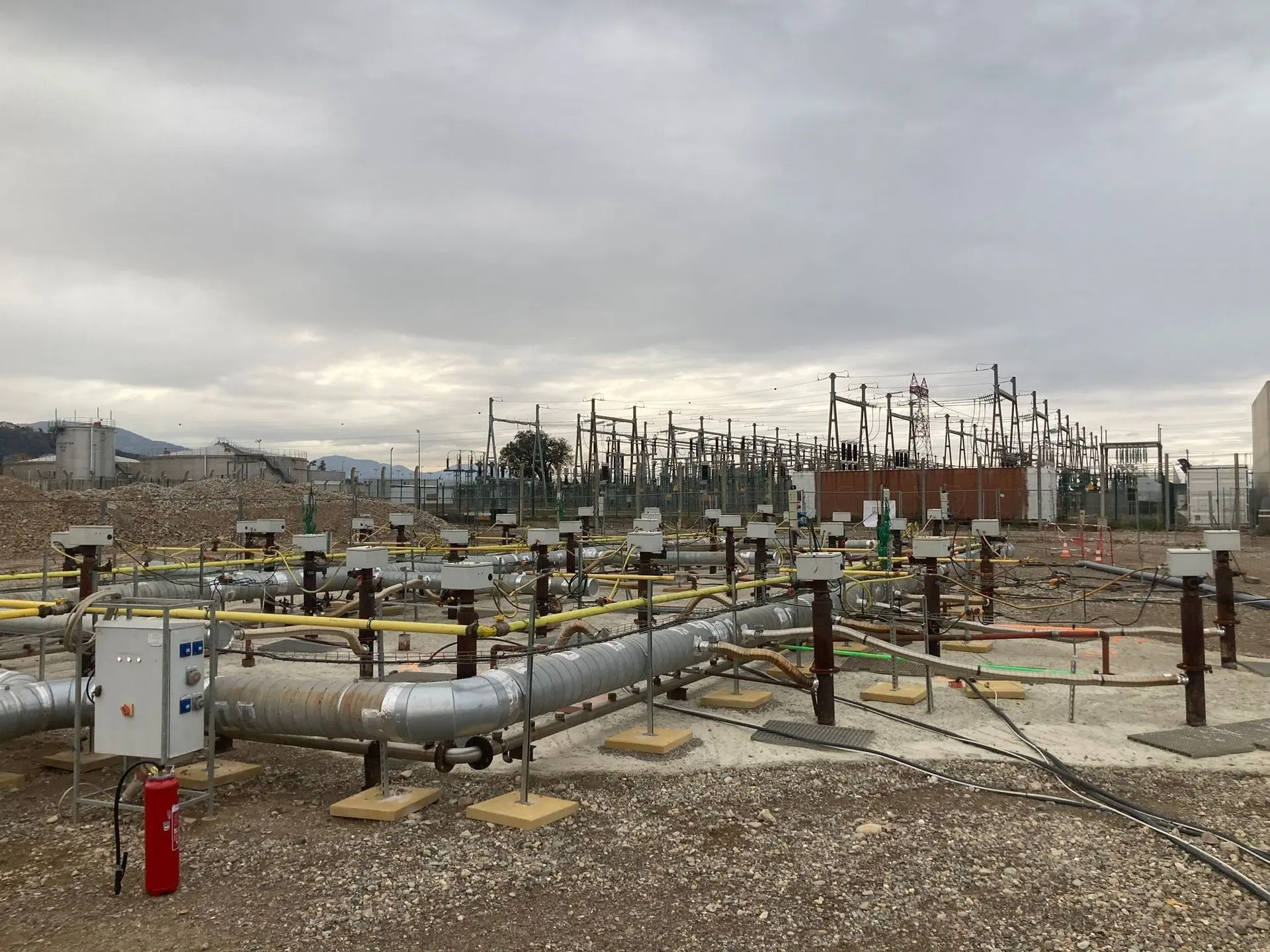
In-Situ Thermal Desorption of VHOC-Contaminated Soil at the EDF Site in Lucciana, France
Sites impacted by chlorinated solvents
See how we have treated chlorinated solvents on real projects, or send us your site details for a tailored proposal.
Contact
Site assessment, preliminary estimate and licensing.