Home › Our solutions › In-Situ Thermal Treatment
In-Situ Thermal Treatment
Contaminated soil treated in place: no excavation, minimal disruption, applicable beneath existing buildings.
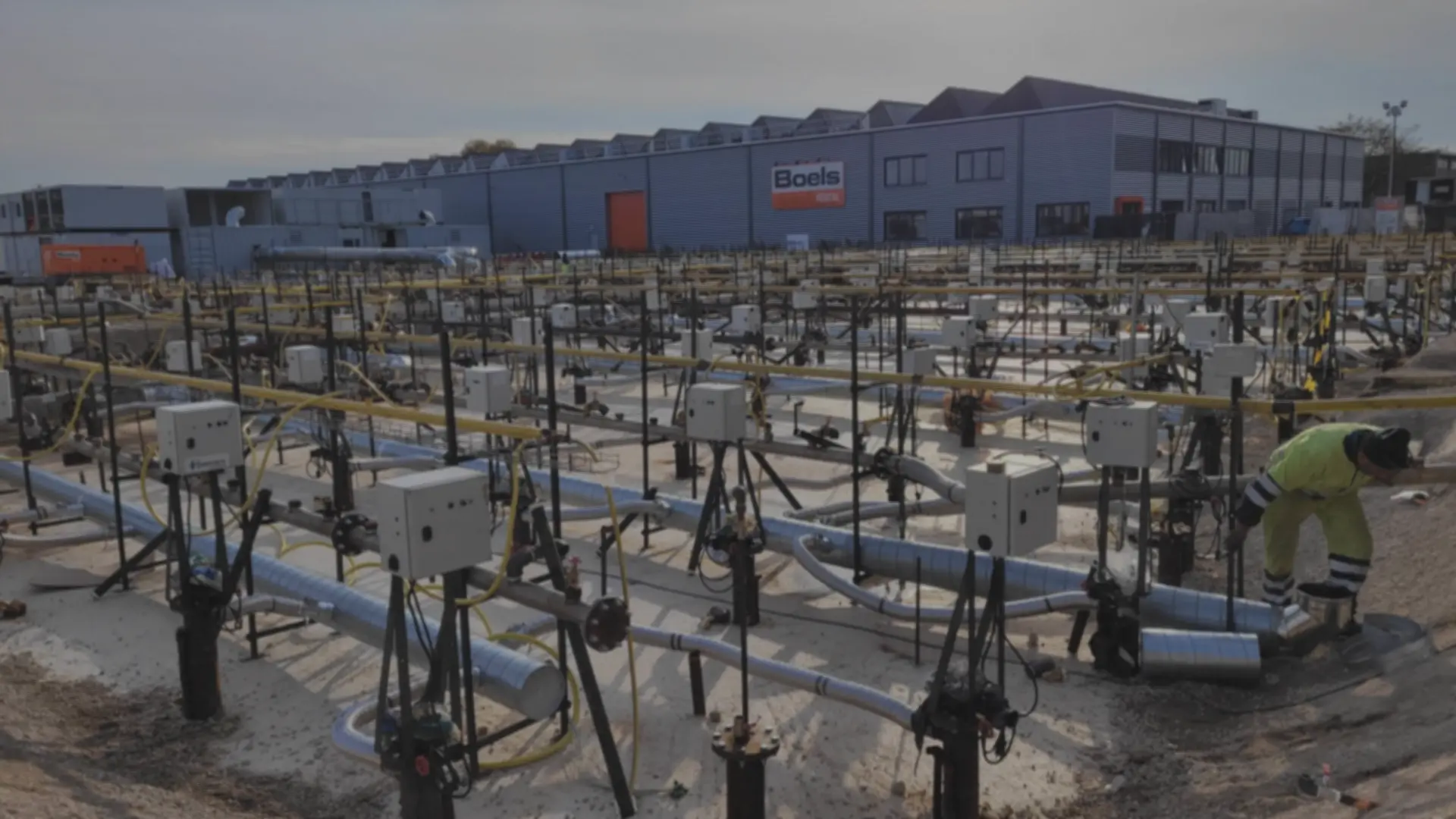
Advantages of in-situ thermal treatment
The soil is heated where it lies. Contaminants are recovered as vapour and treated on site.
Preserve existing infrastructure
Remediate beneath existing buildings and infrastructure without affecting their integrity.
No excavation or soil transport
Avoid excavation, soil handling, and transportation while reducing project costs and environmental impacts.
Keep industrial sites operational
Keep facilities operational throughout remediation with limited interference to daily activities.
Reduce environmental footprint
Reduce waste generation, truck traffic, and emissions through an in-place remediation approach.
From heating to vapour treatment
Coaxial heating tubes with optimized spacing bring uniform conductive heat into the ground.
As soil temperature rises, physical and chemical mechanisms progressively remove or destroy contaminants.
Vapours are extracted continuously under negative pressure through dedicated recovery wells.
Vapours are reburnt in the burner flame, or condensed and treated on granular activated carbon.
See the Technology in Action
Discover how our proven thermal remediation technology is deployed for in-situ soil remediation
- Understand the overall remediation process
- See how ISTT is deployed on site
- Discover the role of vapour extraction and treatment
- Learn why excavation is not required
Contaminants treated in situ
Contaminant families documented in our in-situ references.
In-situ reference sheets
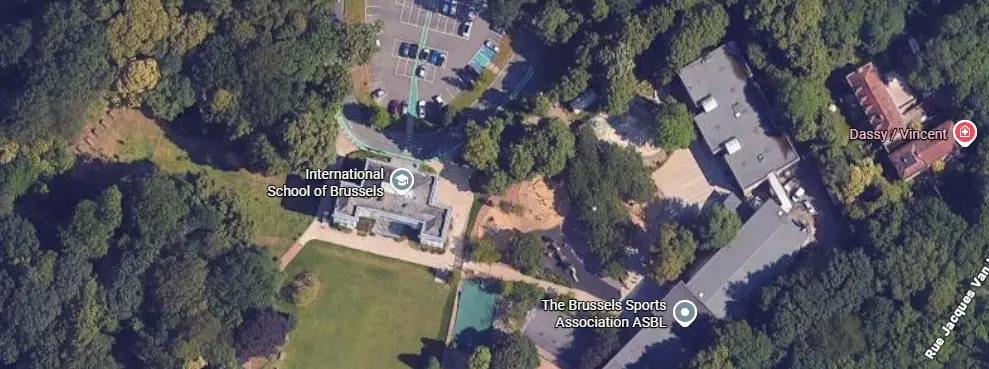
In-Situ Thermal Remediation Beneath the International School of Brussels
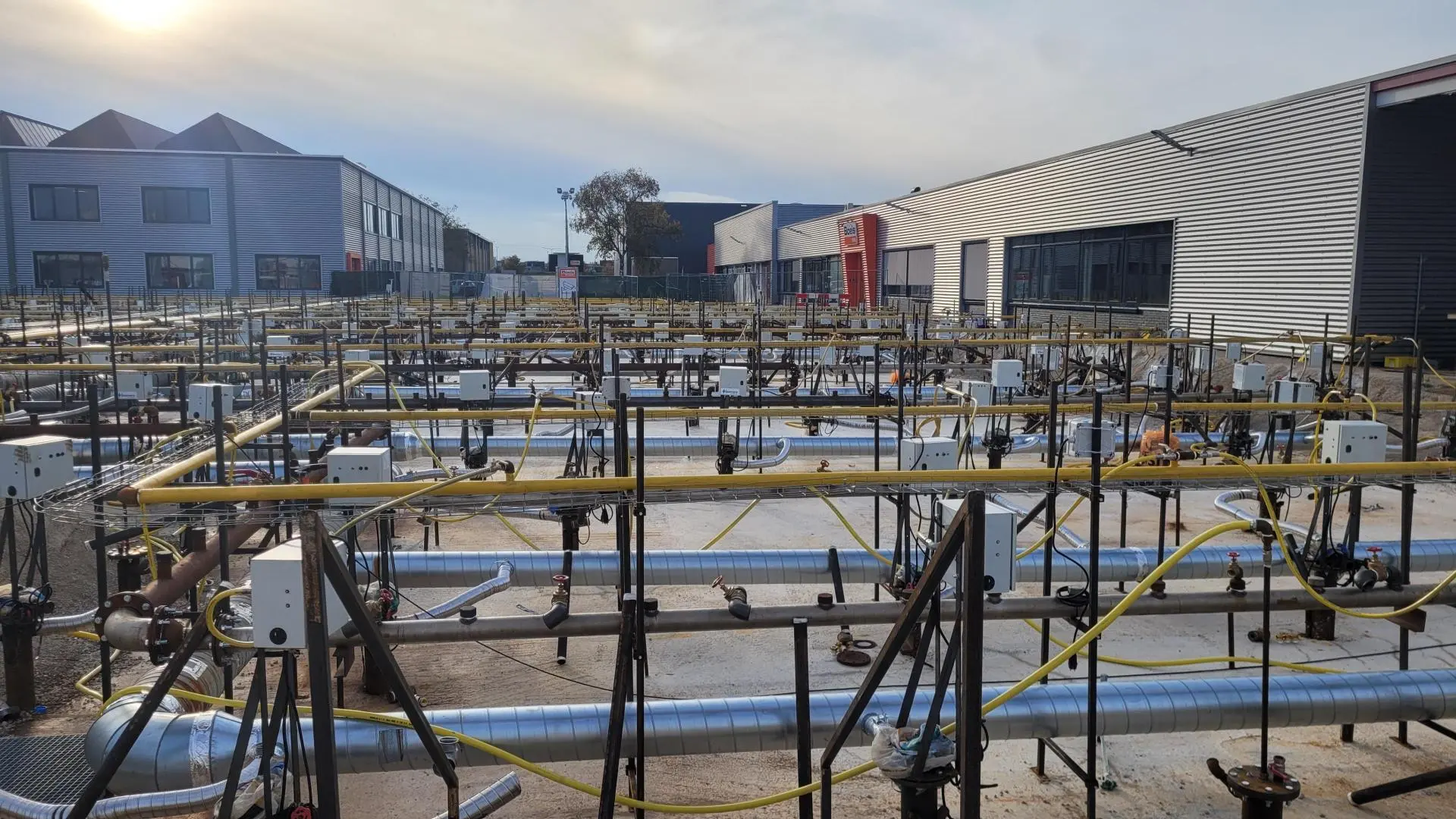
Large-Scale Chlorinated VOC Remediation by ISTT
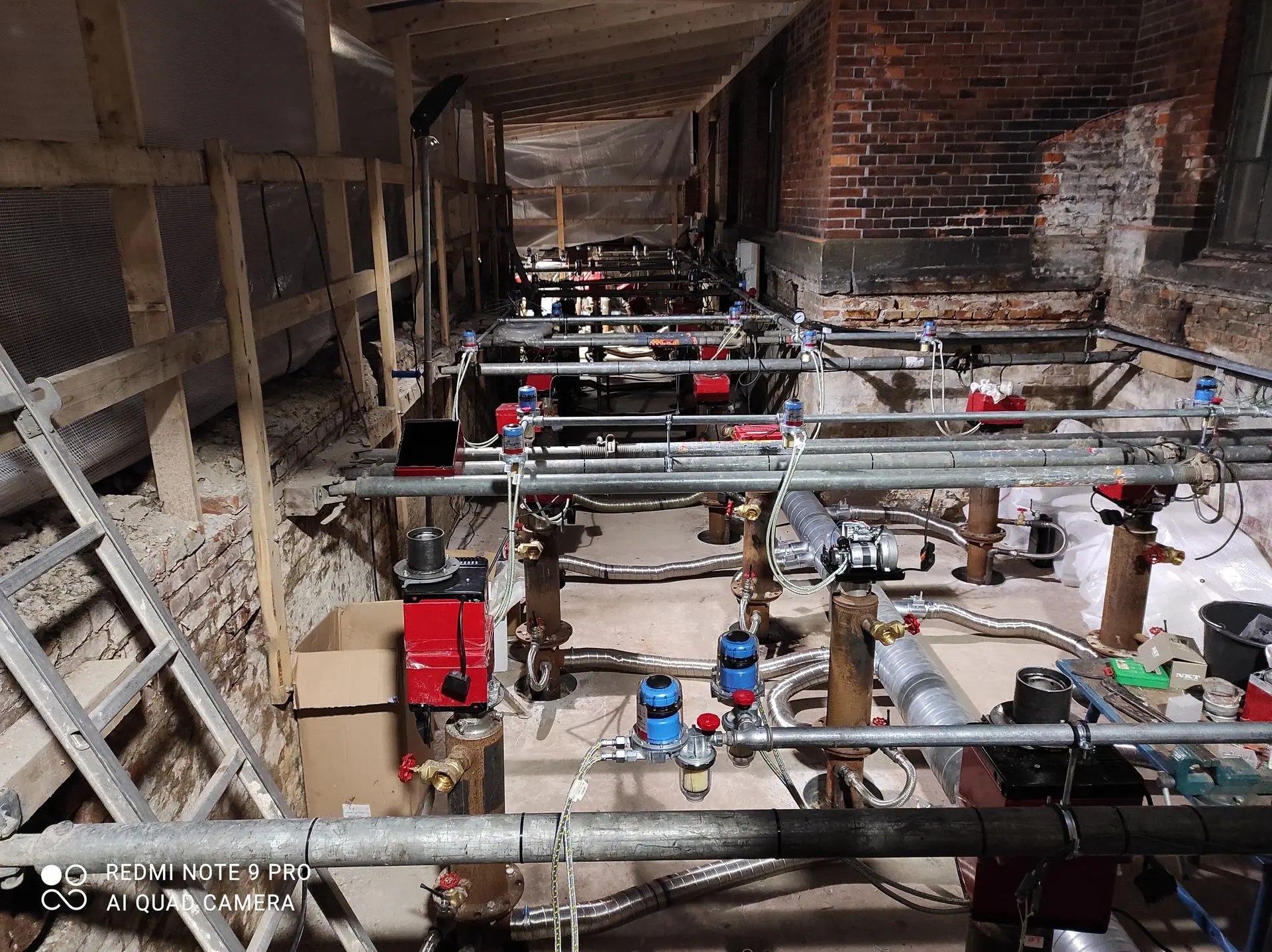
In-Situ Thermal Desorption of Hydrocarbon-Contaminated Soil Beneath a Former Hospital in Copenhagen, Denmark
Contact
Site assessment, preliminary estimate and licensing.