Home › Why remediate
Why contaminated soils should be remediated
Sustainable remediation goes beyond cleaning contaminated soil.

Environmental, social and economic value
Soil remediation is not only an environmental obligation. It is an opportunity to create long-term value by balancing environmental protection, social responsibility and economic performance.
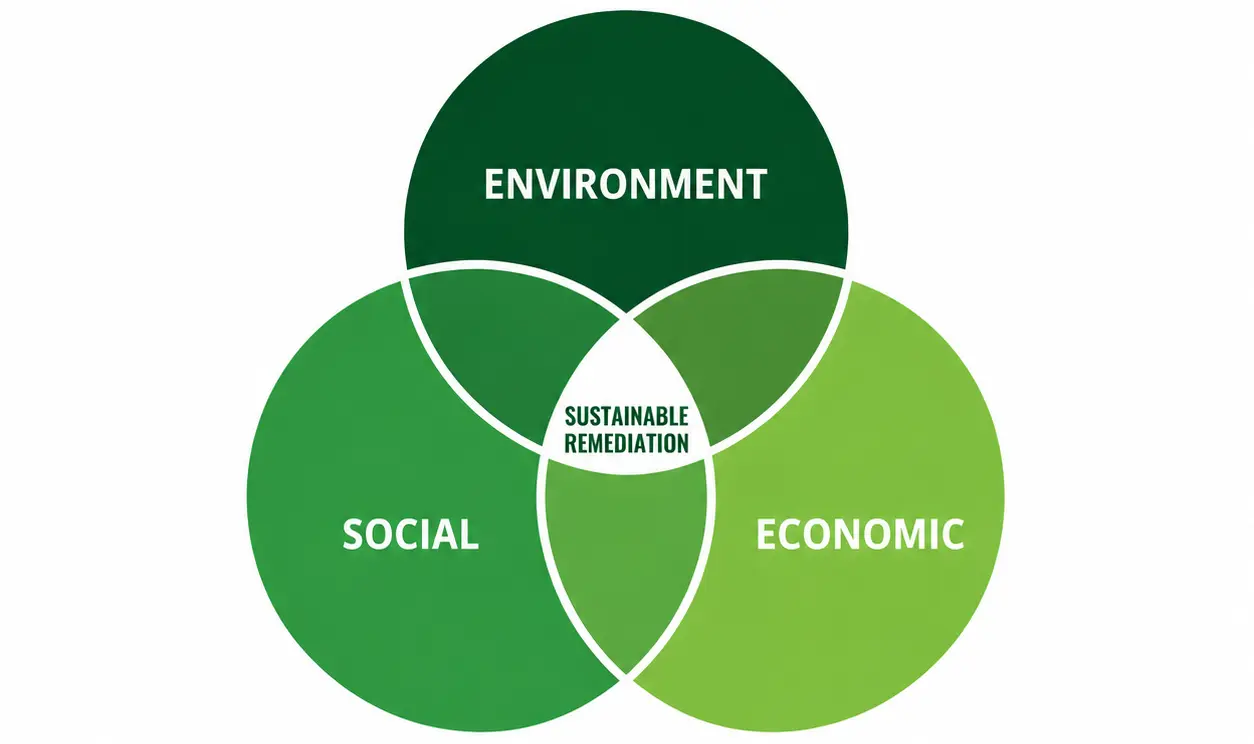
Why sustainable remediation matters
Protect natural resources
Restore soil, safeguard groundwater and preserve ecosystems.
Create positive social impact
Protect human health, improve safety and support community redevelopment.
Generate long-term value
Reduce environmental liabilities while unlocking land for future use.
Contribute to global sustainability
Remediation supports 8 of the 17 United Nations Sustainable Development Goals, making it a key contributor to sustainable development worldwide.
Protect nature. Preserve resources.
Healthy soils are the foundation of resilient ecosystems.
Protect groundwater resources
Prevent contaminants from reaching aquifers and drinking water supplies.
Restore soil functions
Return soil to productive use while preserving its ecological role.
Protect biodiversity
Reduce impacts on surrounding ecosystems and wildlife.
Prevent contaminant migration
Stop pollution from spreading beyond the source area.
Reduce long-term environmental liabilities
Restore the site while minimizing future environmental risks.
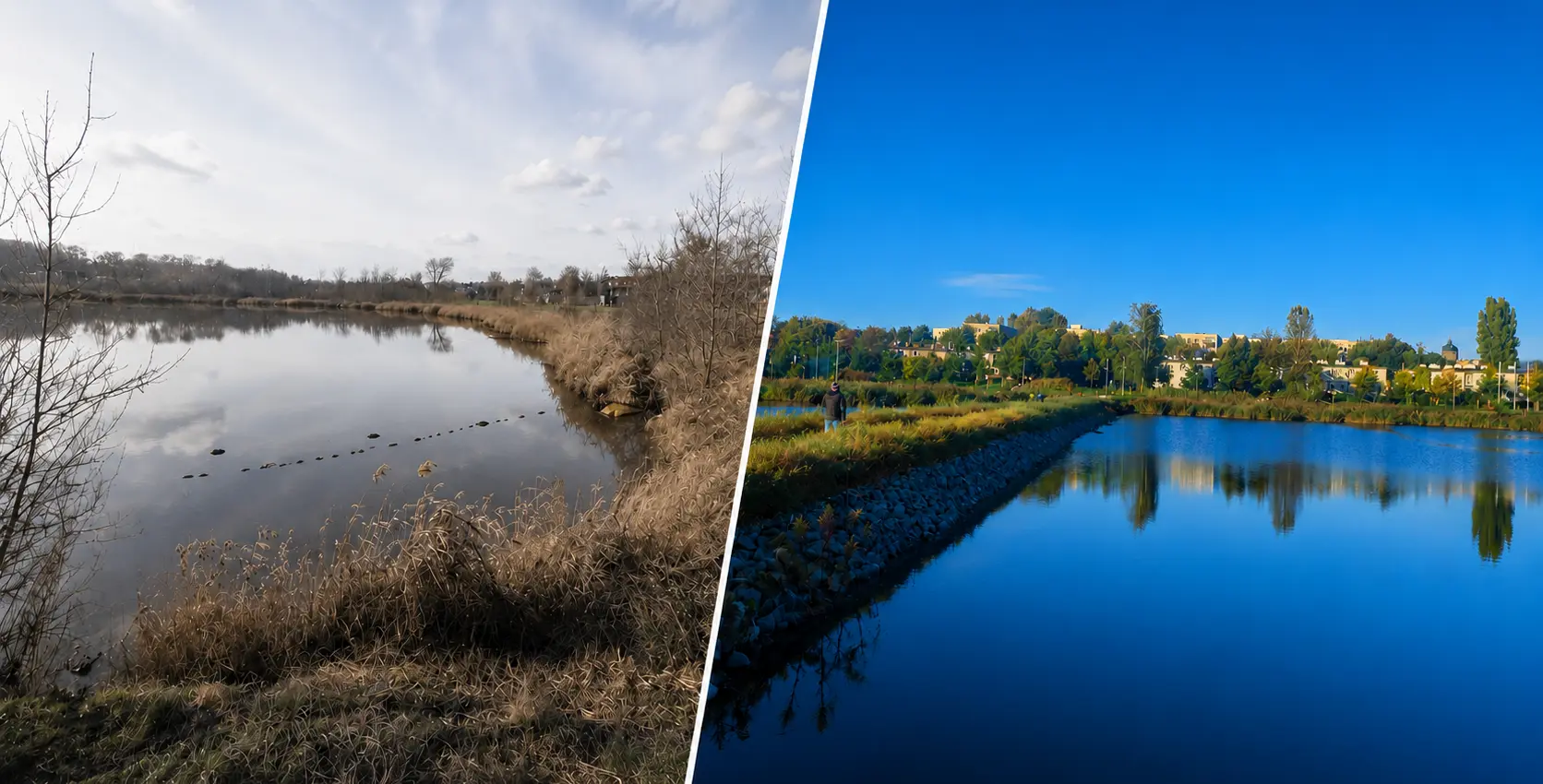
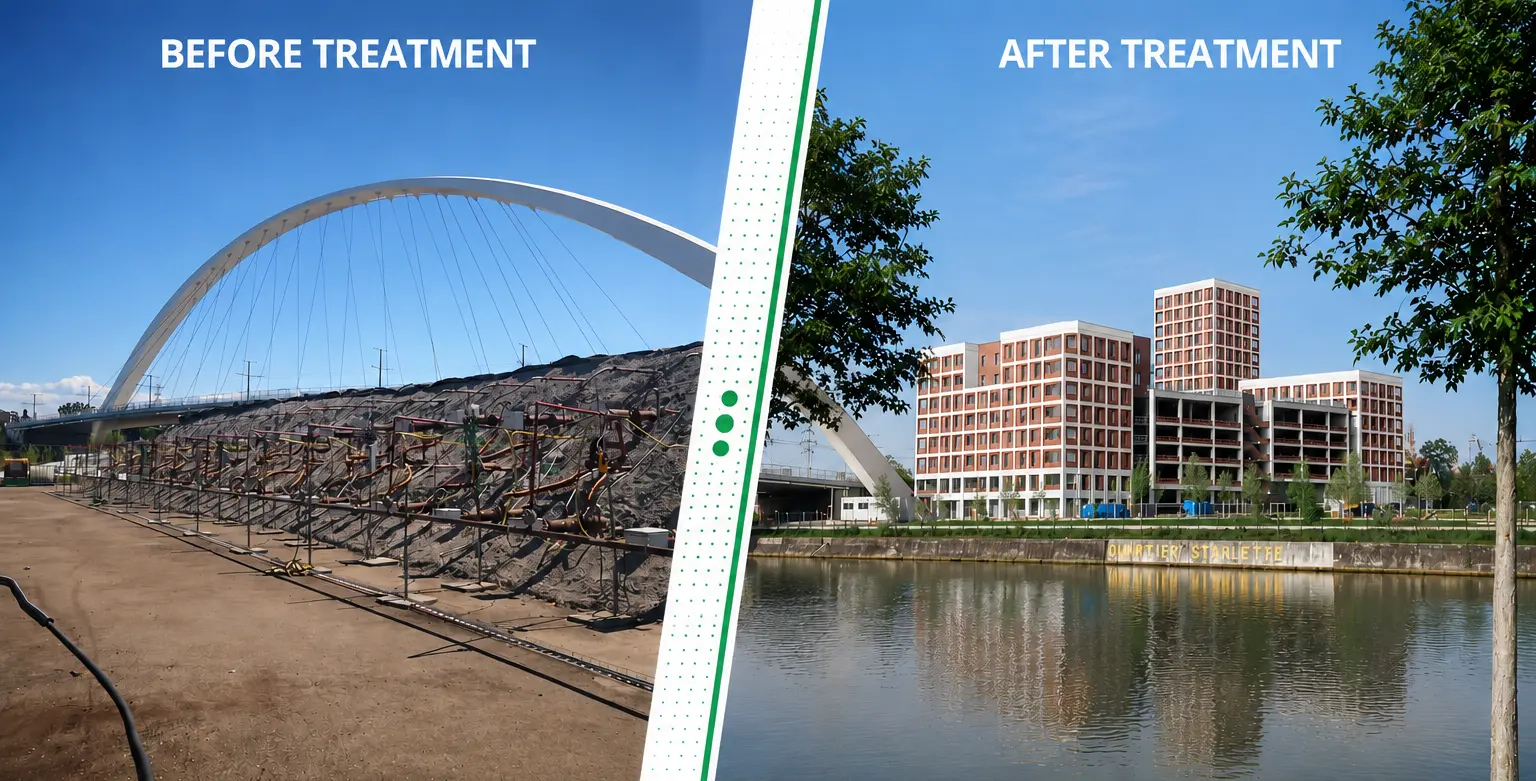
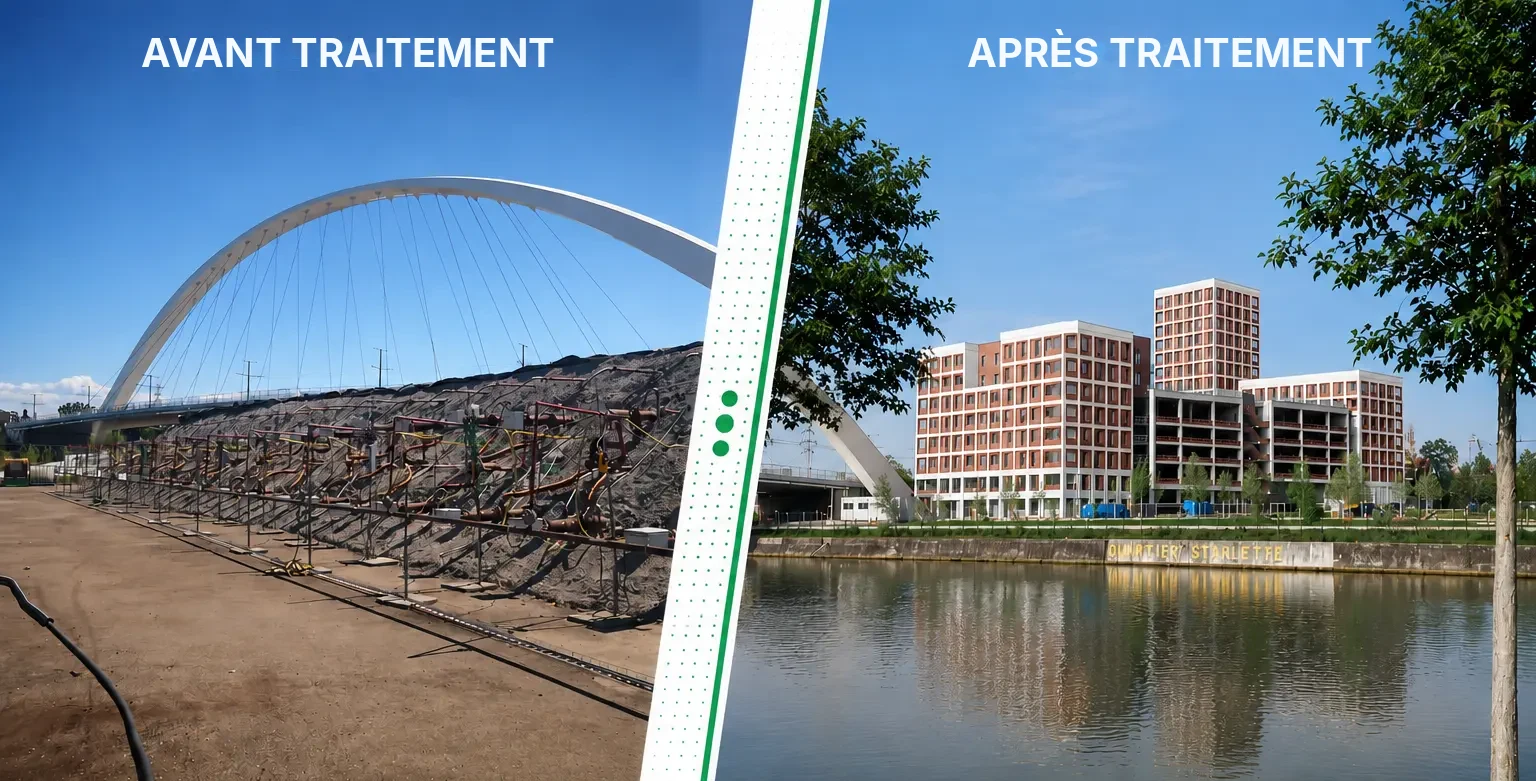
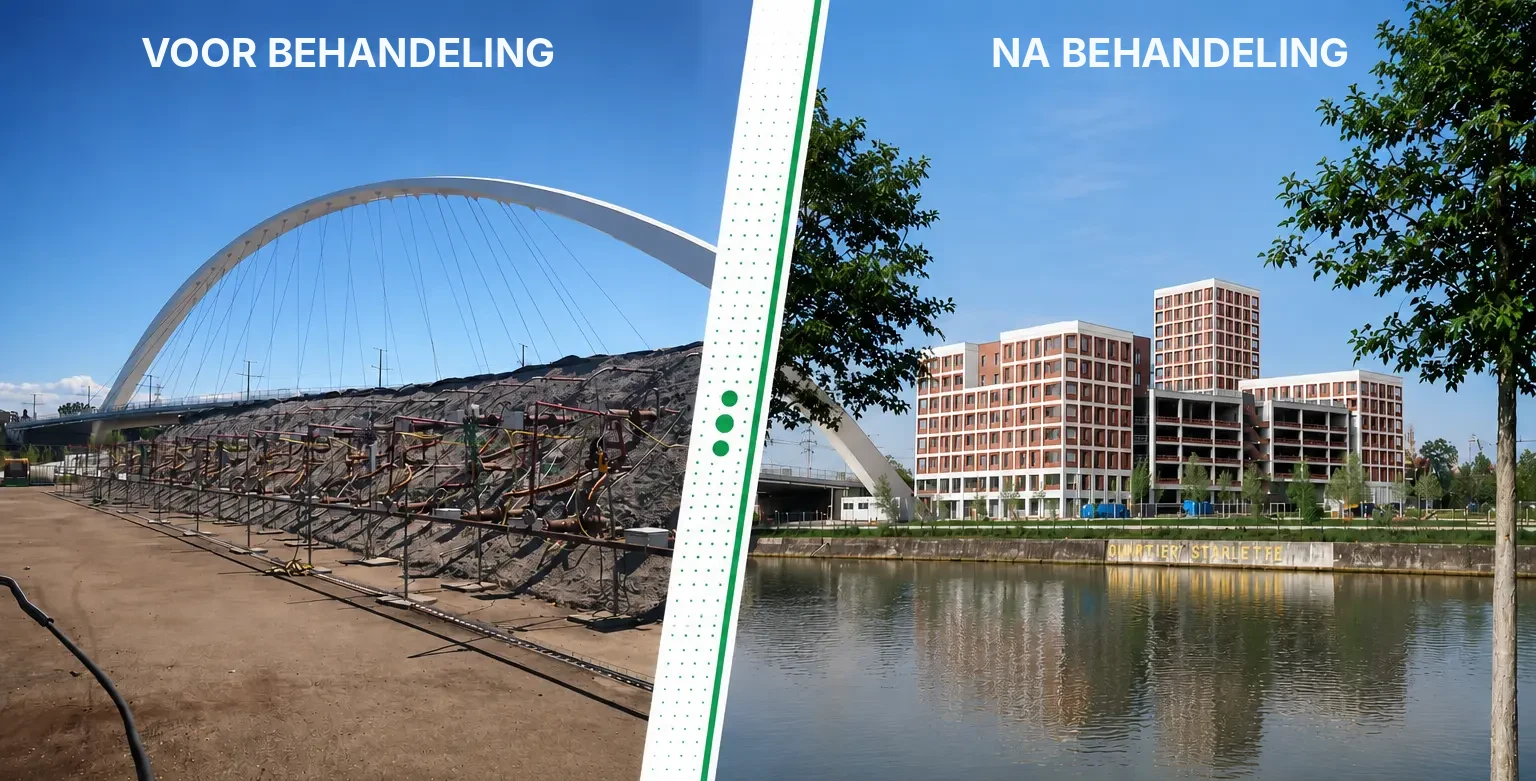
Protect People. Build Stronger Communities.
Remediation improves quality of life today while safeguarding future generations.
Protect human health
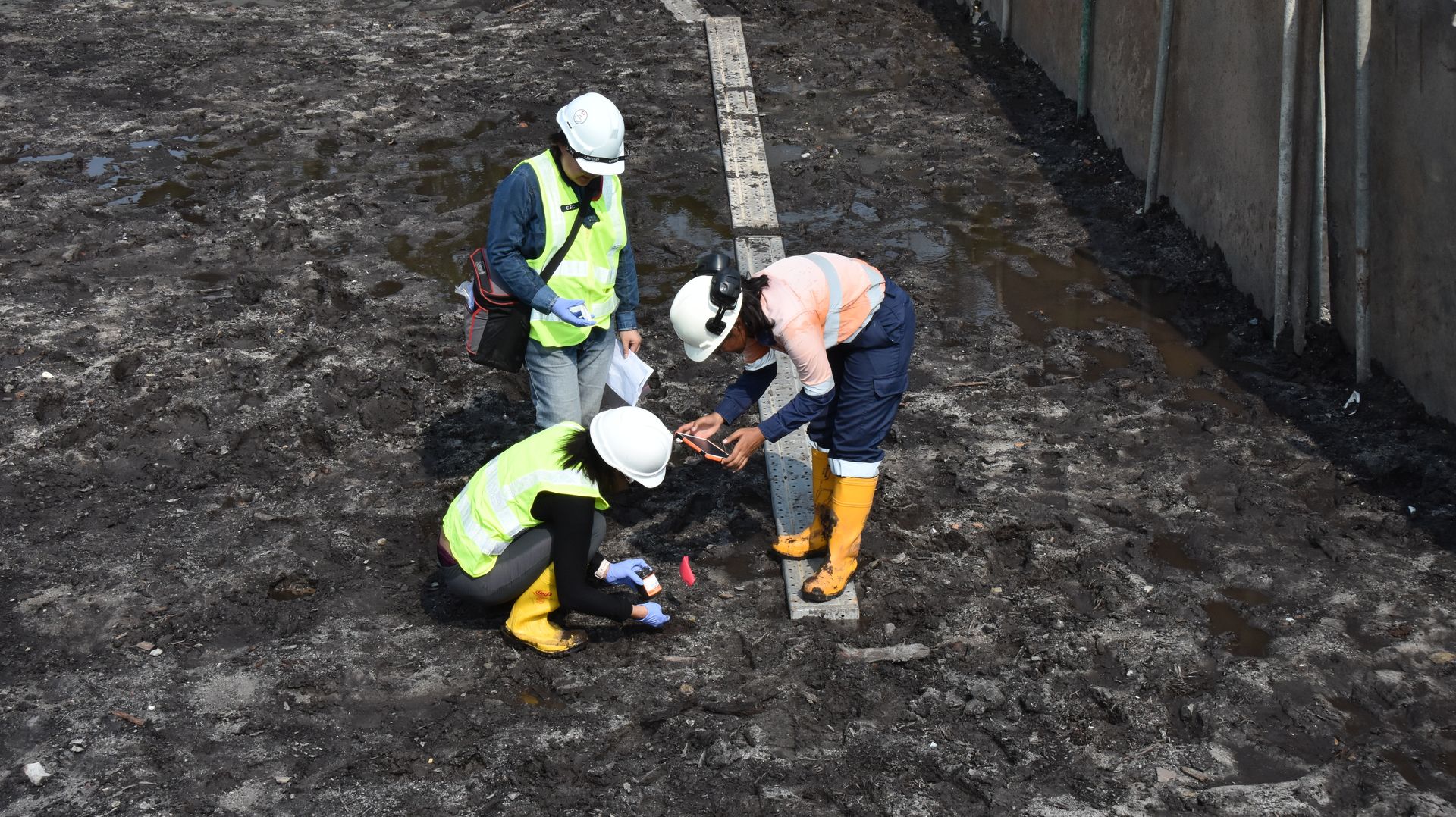
Reduce exposure to hazardous substances.
Improve workplace safety
Create healthier environments for workers and contractors.
Support urban redevelopment
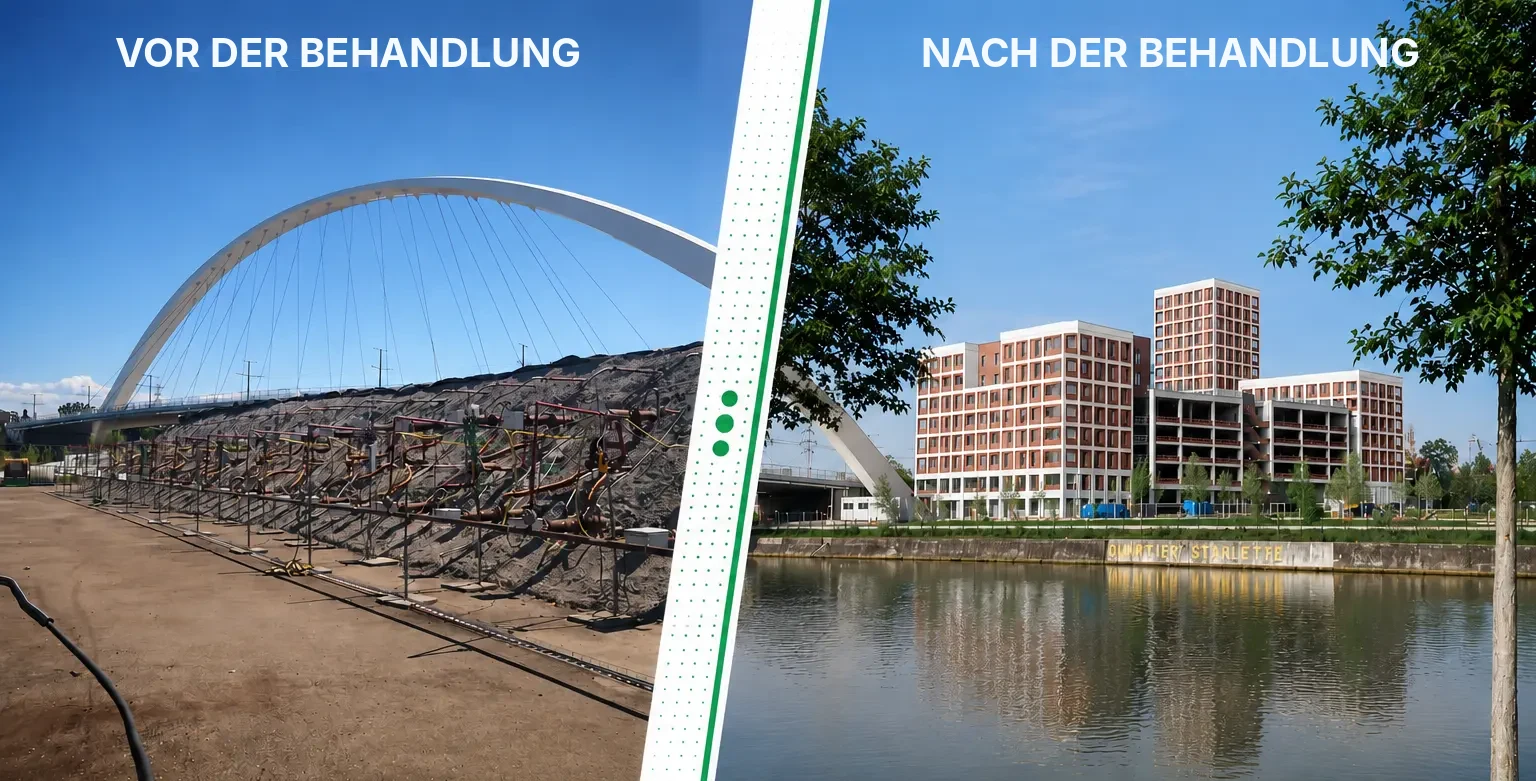
Transform unused land into valuable community assets.
Improve quality of life
Reduce environmental nuisances and restore confidence.
Create a positive legacy
Leave cleaner and safer land for future generations.
Land value and long-term costs
Sustainable remediation transforms contaminated sites into valuable opportunities.
Increase land value
Convert contaminated land into productive assets.
Accelerate redevelopment
Return sites to productive use more quickly.
Reduce lifecycle costs
Avoid decades of monitoring and environmental management.
Increase investment confidence
Support financing and sustainable development projects.
Drive responsible economic growth
Balance profitability with environmental responsibility.
Contact
Site assessment, preliminary estimate and licensing.