Home › Contaminants › PCB, Dioxins, Furans
PCB, Dioxins, Furans
Polychlorinated Biphenyls (PCBs), Dioxins (PCDDs) and Furans (PCDFs) belong to a family of Persistent Organic Pollutants (POPs) recognized worldwide for their persistence, toxicity and ability to bioaccumulate in the food chain. They are regulated under the Stockholm Convention due to their significant environmental and human health impacts.
Common Sources of Contamination
- Electrical transformers and capacitors
- Industrial manufacturing facilities
- Chemical production plants
- Waste incinerators
- Pesticide manufacturing sites
- Former military installations
- Hazardous waste disposal sites
- Metallurgical industries
- Pulp and paper mills
- Areas impacted by uncontrolled combustion

Why PCBs, dioxins and furans are a concern
PCBs, Dioxins and Furans are among the most toxic compounds found in contaminated soils.
Potential impacts include:
- Carcinogenic effects
- Immune system damage
- Developmental and reproductive disorders
- Endocrine disruption
- Long-term environmental persistence
Because these compounds are highly lipophilic, they accumulate in fatty tissues and biomagnify throughout the food chain.
Choice of remediation technology
These contaminants are notoriously difficult to remediate because they are strongly adsorbed to soil organic matter and degrade very slowly under natural conditions.
For highly contaminated source zones, thermal remediation has become one of the preferred technologies because it physically removes contaminants from the soil while minimizing excavation requirements.
Thermal Desorption with Haemers Technologies
Haemers Technologies uses its proven Smart Burners™ thermal desorption technology to remediate soils contaminated with PCBs, Dioxins and Furans.
For PCB, Dioxin and Furan remediation, Haemers Technologies typically targets 250–500°C within the treatment zone, combined with continuous vapour extraction and advanced off-gas treatment to ensure safe and effective contaminant removal.
Typical treatment range
- PCBs: 250–450°C
- Dioxins (PCDDs): 300–450°C
- Furans (PCDFs): 300–450°C
- Highly chlorinated congeners: up to 500°C
From heating to off-gas treatment
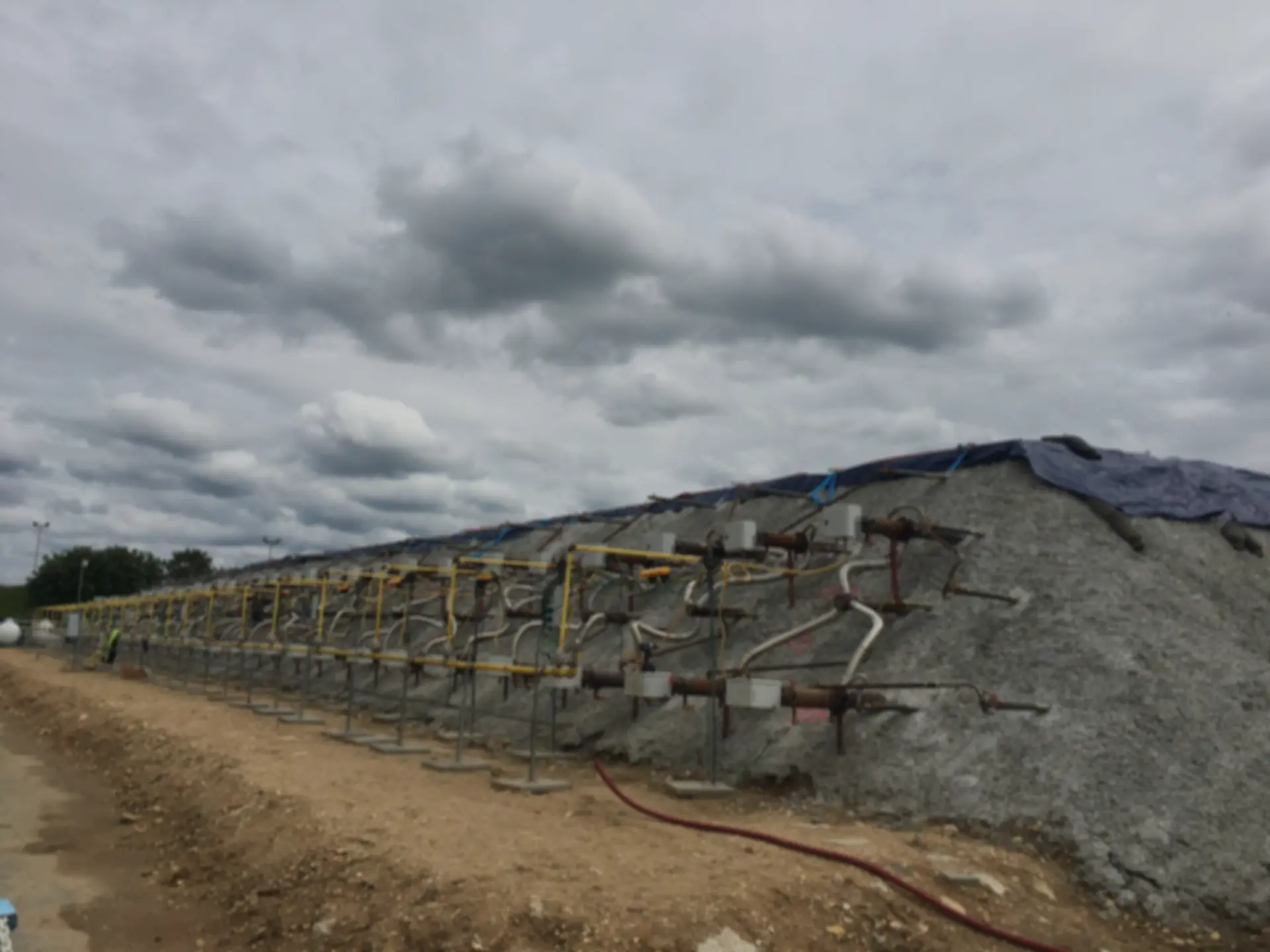
A network of heating wells transfers heat into the contaminated soil through thermal conduction.
As temperature increases, contaminants progressively desorb from soil particles and organic matter.
Contaminants released during heating are continuously recovered through a vacuum extraction system.
Special attention is given to preventing the formation and release of dioxins and furans during treatment.
Process control and off-gas treatment
The treatment temperature is carefully controlled to maximize contaminant removal while preventing the formation of undesirable by-products.
Thermal treatment breaks the strong interactions between POPs and soil, making them available for extraction.
This ensures complete containment of vapours throughout the remediation process.
Vapour treatment train
Extracted vapours are treated through a dedicated vapour treatment train including:
- Fast cooling & condensation unit
- Activated carbon adsorption
- Acid gas treatment
- High-efficiency particulate removal
- Continuous emissions monitoring
Key benefits of thermal treatment
Permanent Source Removal
PCBs, Dioxins and Furans are removed from the soil rather than isolated or contained.
Proven High Efficiency
Thermal remediation has demonstrated excellent performance on some of the most challenging POP-contaminated sites worldwide.
Fast Remediation
Achieves remediation objectives in months rather than decades of monitoring and containment.
Reduced Long-Term Liability
Eliminates persistent contamination sources and minimizes future environmental risks.
Suitable for Complex Industrial Sites
Applicable to former industrial facilities, transformer sites, chemical plants, incinerators and military installations.
PCB & dioxin references
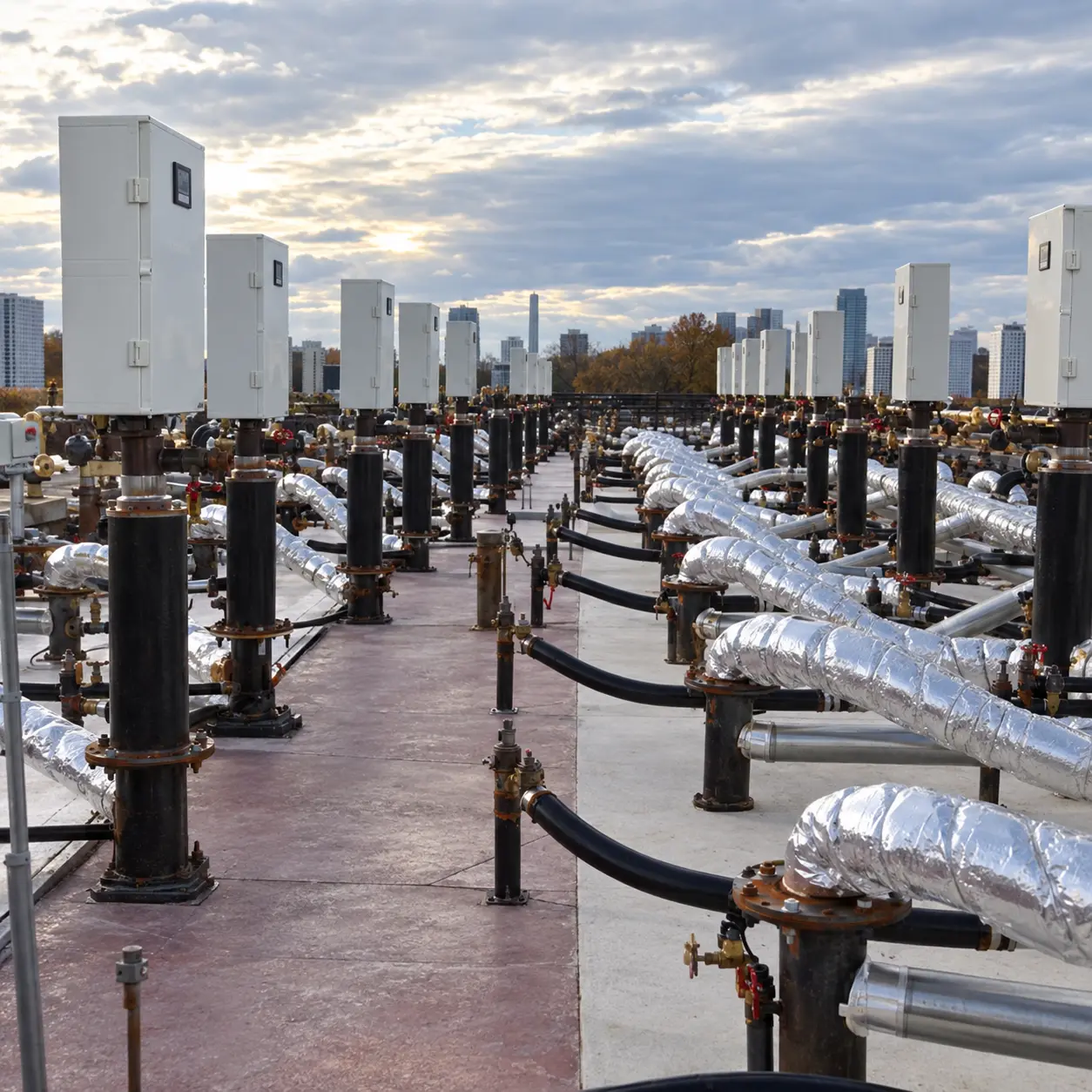
Full-Scale In-Situ Thermal Desorption of PCB-Contaminated Soil at the Carbone Savoie Site in Lannemezan, France
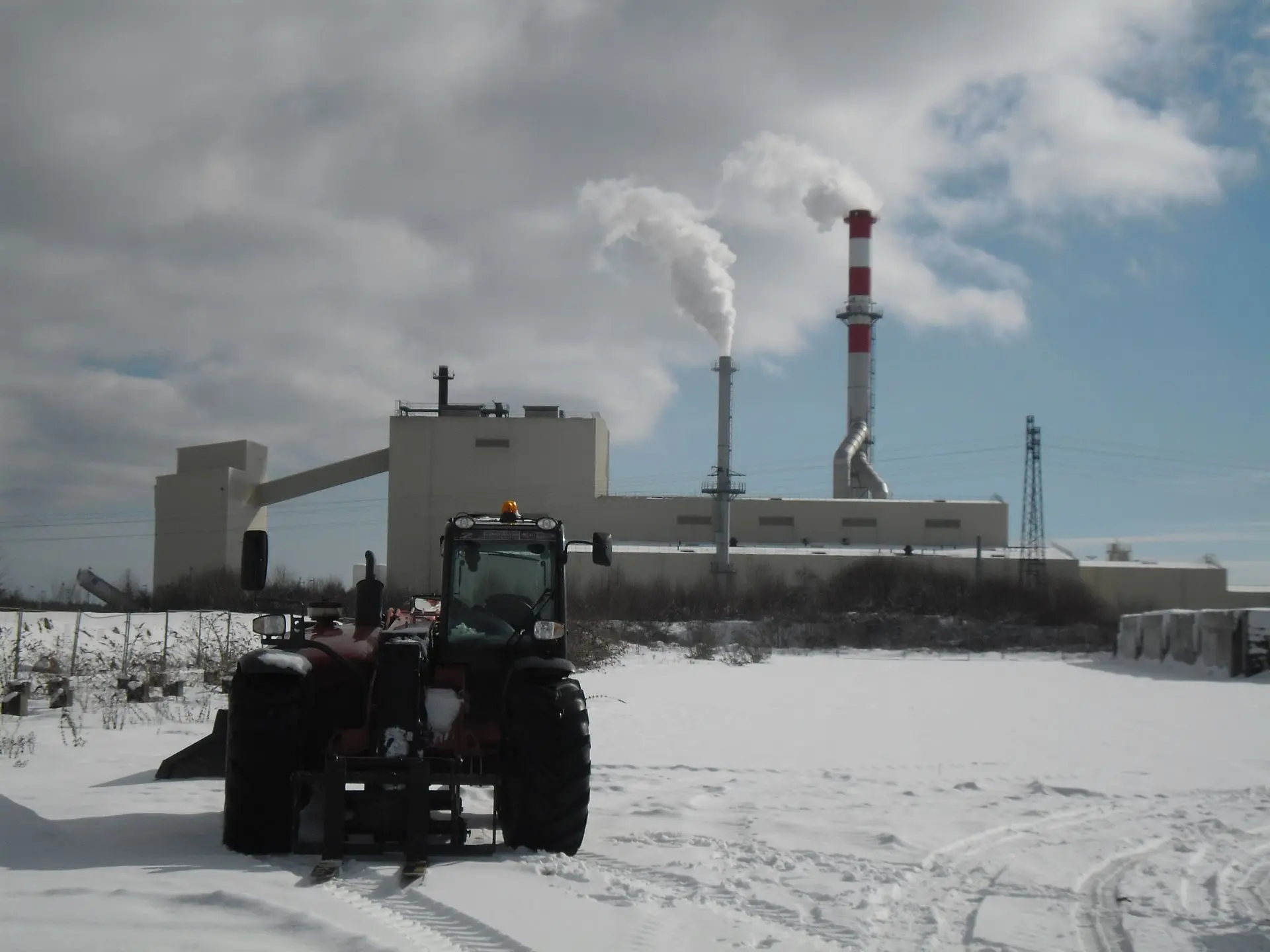
Pilot-Scale In-Situ Thermal Desorption of PCB-Contaminated Soil at the Rio Tinto Site in Lannemezan, France
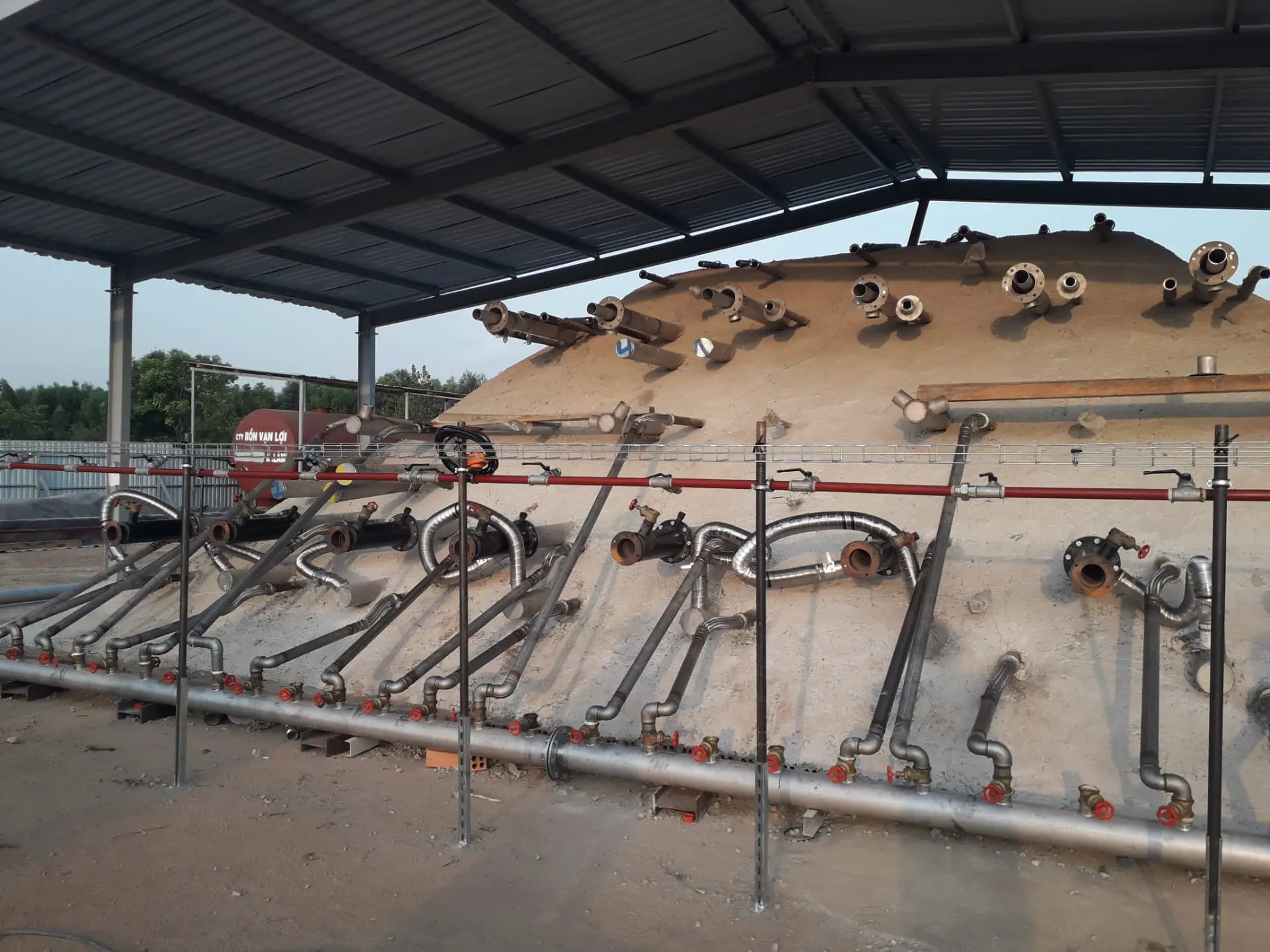
Ex-Situ Thermal Desorption Treatment of Agent Orange Dioxin Contamination in Vietnam
Sites impacted by PCBs, dioxins or furans
See how we have treated these compounds on real projects, or send us your site details for a tailored proposal.
Contact
Site assessment, preliminary estimate and licensing.