Home › Contaminants › Hydrocarbons
Hydrocarbons
Hydrocarbons are organic compounds derived from crude oil and petroleum products. They are among the most common contaminants encountered on industrial and brownfield sites worldwide.
Where hydrocarbon contamination occurs
Hydrocarbon contamination is typically associated with:
- Oil refineries and petrochemical facilities
- Fuel storage terminals
- Service stations
- Former industrial sites
- Pipelines and tank farms
- Rail yards and transport hubs
- Chemical manufacturing facilities
- Accidental spills and leaks



Why hydrocarbons are a concern
Hydrocarbons can affect soil quality, groundwater resources and human health.
Potential impacts include:
- Groundwater contamination
- Vapour intrusion and air quality issues
- Toxic and carcinogenic effects from specific compounds
- Ecosystem damage
- Long-term environmental liabilities
Light hydrocarbons can migrate rapidly through soil, while heavier fractions may persist for decades if left untreated.
Choice of remediation technology
Hydrocarbon-contaminated sites can be treated using several technologies. The choice depends on contaminant type, concentration and site conditions.
Thermal Desorption with Haemers Technologies
For heavily contaminated source zones, thermal desorption is recognized as one of the most effective technologies because it physically removes hydrocarbons from the soil matrix.
Hydrocarbons become increasingly volatile as temperature rises.
Thermal desorption:
- Breaks the bond between contaminants and soil particles
- Accelerates contaminant removal
- Treats both volatile and semi-volatile hydrocarbons
- Achieves remediation objectives within weeks rather than years
Typical removal efficiencies often exceed 95–99%, depending on contaminant type and treatment conditions.
The target soil temperature at the cold point is set between 150°C and 250°C, depending on the product.
From heating to vapour destruction
Smart Burners™ circulate hot gases through a network of steel heating pipes installed within the contaminated soil.
As temperature increases, hydrocarbons desorb from soil particles and their vapour pressure rises significantly.
A dedicated extraction system continuously captures contaminated vapours and prevents uncontrolled emissions.
Extracted vapours are reinjected into the burners and destroyed at high temperature.
Re-Burn technology
Haemers Technologies integrates Re-Burn Technology directly into its Smart Burners™ process.
Contaminated vapours extracted from the soil are reinjected into the heating system, where they are destroyed at high temperature while generating useful thermal energy. No waste is generated and the pollutants are completely degraded.
Key benefits of thermal desorption
Permanent Contaminant Removal
Hydrocarbons are removed from the soil rather than contained or transferred.
High Removal Efficiency
Thermal desorption routinely achieves remediation targets for light and heavy hydrocarbon fractions.
Fast Remediation
Projects are completed within weeks rather than years of biological treatment or monitoring.
Reduced Long-Term Liability
Eliminates source-zone contamination and minimizes future environmental risks.
Ideal for Industrial and Brownfield Sites
Applicable to refineries, fuel depots, service stations, petrochemical facilities and former industrial sites.
Hydrocarbon references
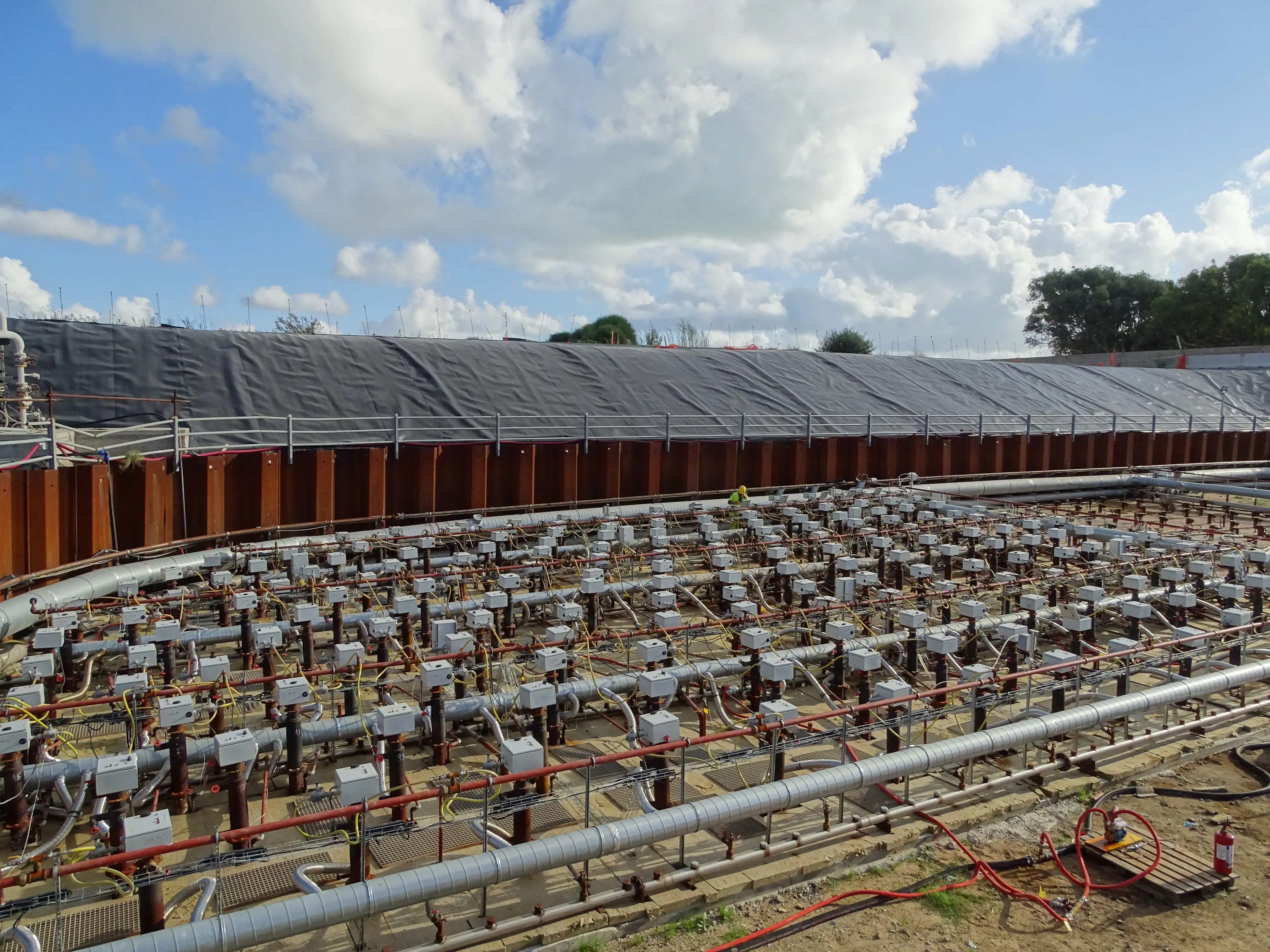
Large-Scale In-Situ Thermal Desorption of Refinery Hydrocarbon Contamination at Gela Refinery, Italy

In-Situ Thermal Remediation Beneath the International School of Brussels
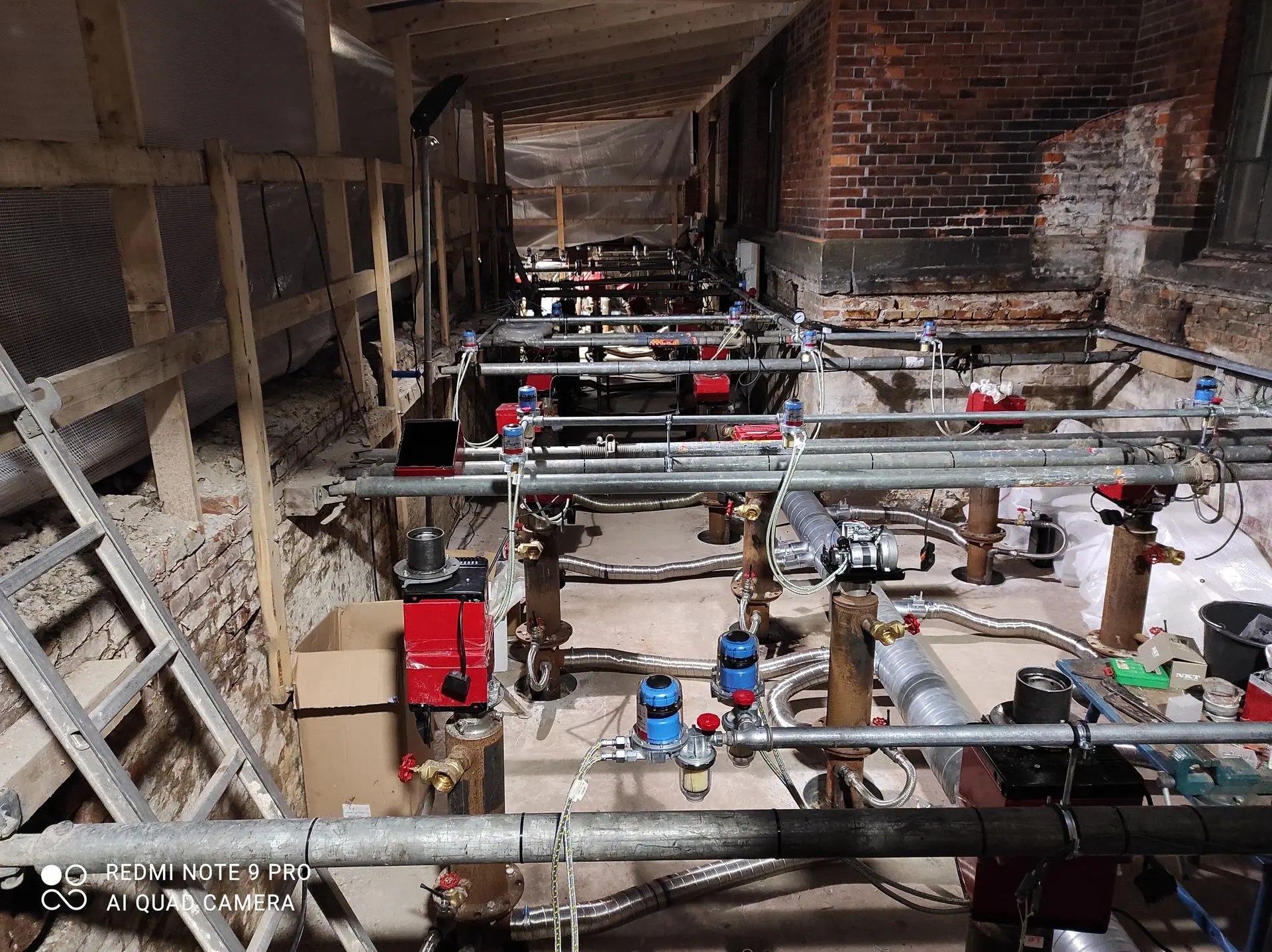
In-Situ Thermal Desorption of Hydrocarbon-Contaminated Soil Beneath a Former Hospital in Copenhagen, Denmark
Sites impacted by hydrocarbons
See how we have treated hydrocarbons on real projects, or send us your site details for a tailored proposal.
Contact
Site assessment, preliminary estimate and licensing.