Home › Contaminants › Mercury
Mercury
Mercury (Hg) is a naturally occurring metal, but industrial activities have caused significant contamination of soils, sediments and industrial facilities worldwide.
Where mercury contamination occurs
Unlike most metals, mercury is liquid at room temperature and can easily evaporate into toxic vapours. This unique property makes mercury both dangerous and treatable through thermal technologies.
Mercury soil contamination mostly comes from the following activities:
- Chlor-alkali plants
- Mining and metallurgical operations
- Chemical manufacturing
- Military and nuclear facilities
- Industrial waste disposal sites
- Demolition and decommissioning projects
- Historical spills from industrial equipment




Why mercury is a concern
Mercury is one of the most toxic contaminants encountered in environmental remediation.
Exposure can impact:
- Nervous system
- Respiratory system
- Kidneys and liver
- Fetal and child development
Because mercury can volatilize and migrate through the environment, contaminated source zones often require active remediation rather than long-term containment.
Choice of remediation technology
Thermal desorption physically removes mercury from the contaminated matrix, reducing long-term environmental liabilities and eliminating dependence on permanent containment systems.
Thermal Desorption with Haemers Technologies
At Haemers Technologies, mercury remediation is based on our proven Smart Burners™ conductive thermal desorption technology, developed through decades of experience on industrial mercury-contaminated sites worldwide.
As temperature increases, mercury compounds progressively volatilize.
- Elemental mercury is removed first
- Mercury chlorides and organomercury compounds follow
- More stable mercury species are treated through prolonged heating and optimized operating conditions
Homogeneous heating
The heat is transferred directly into the soil, ensuring homogeneous treatment and precise temperature control.
From heating to mercury recovery
Smart Burners™ circulate hot gases through a network of steel heating pipes installed within the contaminated soil.
The combination of temperature and residence time is key to achieving high removal efficiencies.
The treatment area is maintained under controlled negative pressure.
This multi-stage process ensures safe and compliant operation throughout the remediation project.
Vapour extraction and mercury recovery
This ensures that mercury vapours are continuously extracted while preventing fugitive emissions and protecting workers and nearby communities.
Mercury vapours are routed to a dedicated Vapour Treatment Unit (VTU) where they undergo:
- Cooling and condensation
- Mercury recovery
- Activated carbon polishing
- Continuous emission monitoring
Forms of mercury
Mercury contamination may be present as liquid mercury droplets, inorganic mercury salts or organic mercury compounds.
Key benefits of thermal desorption
Permanent Mercury Removal
Mercury is physically extracted from the soil and captured in dedicated treatment systems, rather than simply immobilized or transferred elsewhere.
Fast Remediation
High removal efficiencies can be achieved within days or weeks, significantly reducing project timelines compared to long-term containment strategies.
Proven Performance
Thermal desorption has demonstrated mercury removal efficiencies exceeding 99% across laboratory studies, pilot tests and full-scale remediation projects worldwide.
Safe and Controlled Operations
Smart Burners™ technology combines conductive heating, vacuum extraction and advanced vapour treatment to ensure full containment of mercury vapours and protection of workers and the environment.
Designed for Complex Industrial Sites
Effective on contaminated soils, sediments, concrete, demolition debris and industrial residues, even in highly heterogeneous source zones.
Mercury references
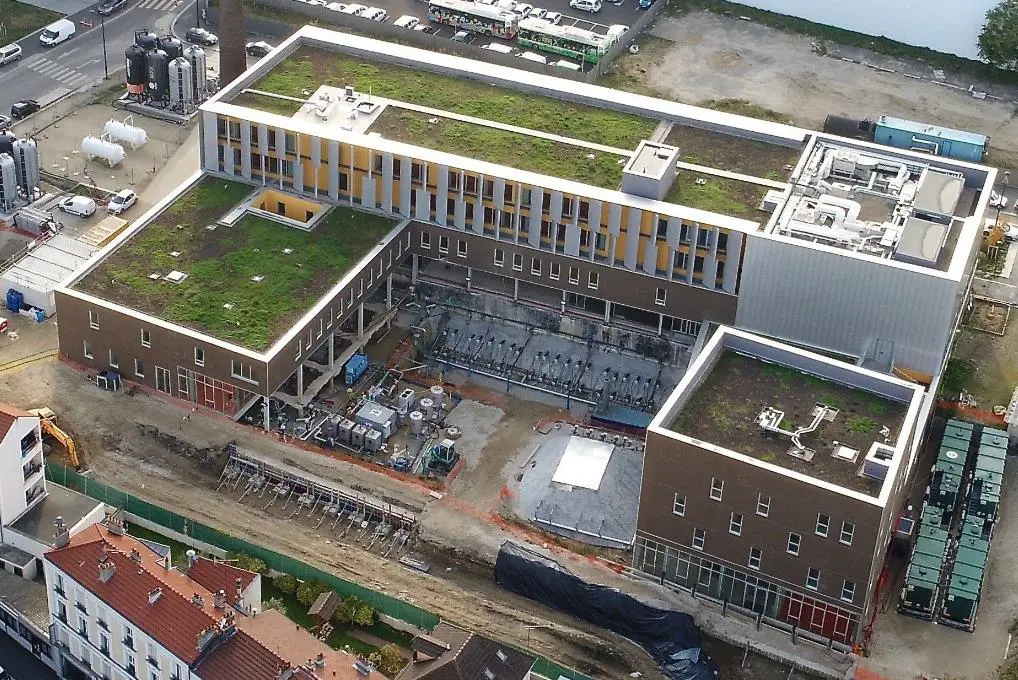
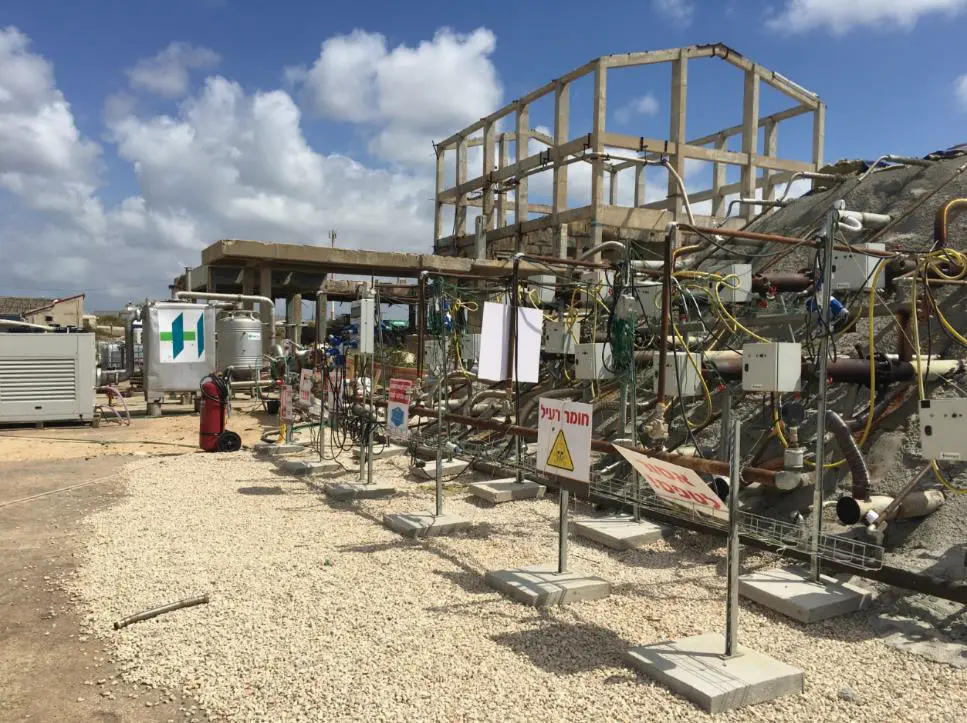
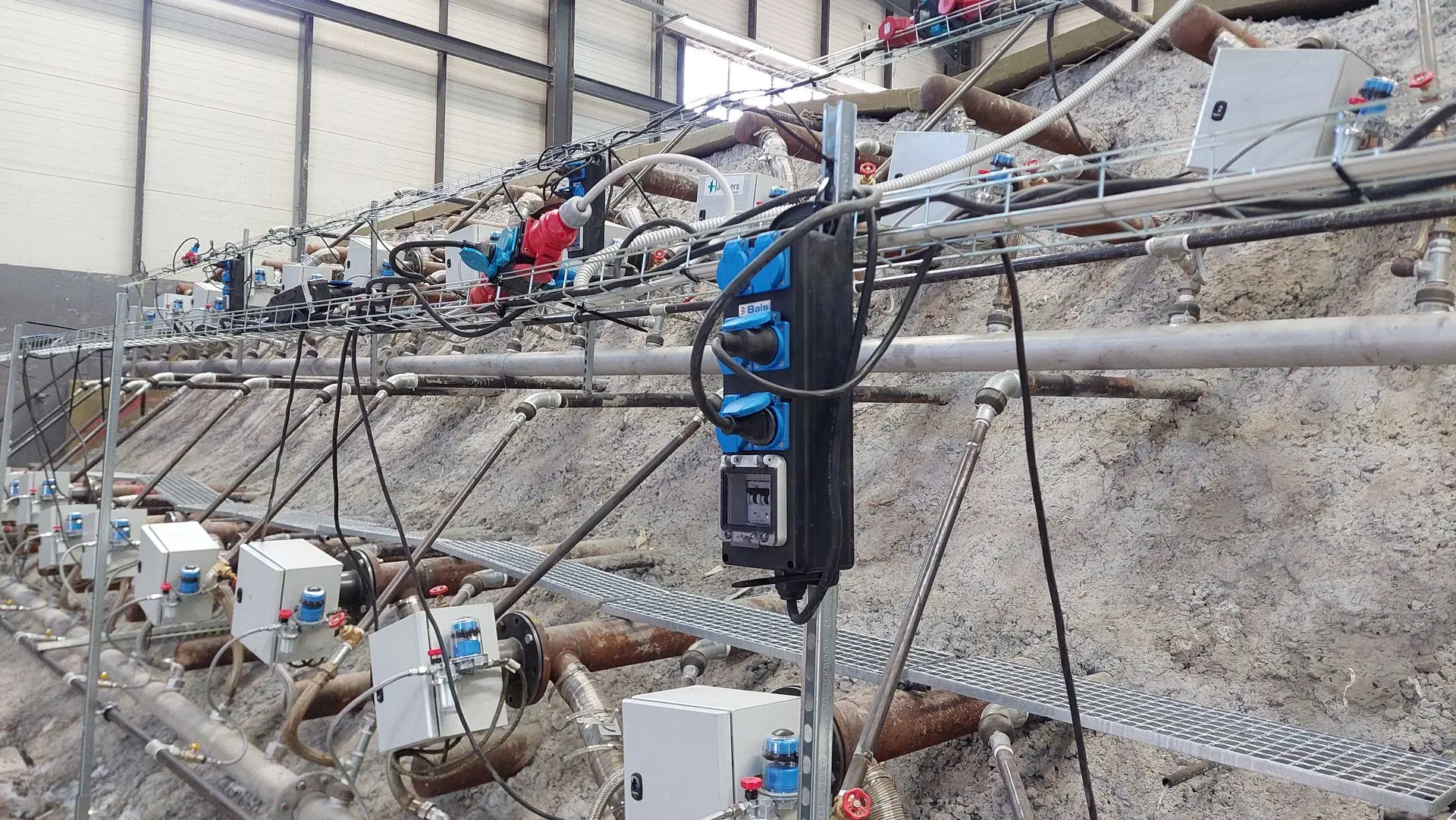
Sites impacted by mercury
See how we have treated mercury on real projects, or send us your site details for a tailored proposal.
Contact
Site assessment, preliminary estimate and licensing.